A bowl of seemingly harmless rich ramen soup might be the invisible killer pushing you step by step toward a stroke crisis.
Many people think stroke is a disease that only happens when you get old, but blood vessel health is accumulated through what we eat and our lifestyle habits every day.
Why Does Eating Too Salty Lead to Stroke?
We often say eating too salty is bad, but how exactly do we go from “eating salty” to having a “stroke”?
Sodiumdoes not directly block brain blood vessels, but rather stretches them to the point of breaking.
The Three Steps of How Sodium Destroys Blood Vessels
| Step | What Happens in the Body | Simple Explanation |
|---|---|---|
| Step 1 | A large amount of sodium enters the blood, drawing water from surrounding tissues into vessels |
Just like feeling extremely thirsty after eating salty crackers, your blood vessels are also drinking water crazily |
| Step 2 | The volume of water in vessels surges, and the pressure on vessel walls spikes instantly | The original 5-liter pipe is filled with 6 or 7 liters, so the pressure naturally goes off the charts |
| Step 3 | Chronic high pressure damages vessel walls, builds up plaque, and makes them hard and brittle | Finally, the vessels either get completely blocked (ischemic stroke) or burst (hemorrhagic stroke) |
Two Fatal Outcomes of High-Pressure Blood Vessels
| Type | What Happens |
|---|---|
| Ischemic Stroke | Plaque (fatty deposits) on vessel walls is torn off by high-pressure blood flow, and the debris travels to narrower brain vessels, completely blocking them |
| Hemorrhagic Stroke | Brain vessels become hard and brittle under long-term high pressure. One day when blood pressure spikes again (due to anger, straining to defecate, or sudden weather changes), the brittle vessel bursts directly |
What Are the Invisible High-Sodium Traps for Dining Out?
Many people say: “I don’t usually feel that the food I eat is salty?”
But many foods that do not taste salty are actually “invisible sodium kings”:
| Food Type | Why is the Sodium Content High |
|---|---|
| Processed Flour Products | Noodles, toast, and bread have large amounts of salt added during production to increase chewiness |
| Hot Pot and Soups | Shacha sauce, bean paste, as well as seemingly light meatball soup and broth, have sodium contents that are scarily high |
| Sauces and Pickles | Thick soy sauce, ketchup, pickled vegetables, and candied fruits are all disaster zones of high sodium |
It is recommended that adults do not exceed 2,400 mg of sodium per day (equivalent to about 6 grams of table salt).
When eating out, remember: “Drink less soup, dip less sauce, and drink more water to flush out sodium.”
Beyond Diet, What Lifestyle Habits Are Also Damaging Blood Vessels?
Eating too salty is only one of the reasons. Modern lifestyles often inflict multiple blows on our blood vessels.
The Invisible Accomplices of Blood Vessels
| Lifestyle Habit | How It Damages Blood Vessels |
|---|---|
| Smoking | Nicotine directly destroys blood vessel lining, making them lose elasticity and contract violently. Smokers’ stroke risk is 2-4 times that of non-smokers |
| Staying Up Late & Stress | Stress hormones keep blood vessels constantly tense, keeping blood pressure high over time |
| Lack of Exercise | Sedentary behavior slows metabolism, causing fat accumulation that triggers chronic inflammation and accelerates arterial hardening |
| Excessive Alcohol | Binge drinking causes blood pressure to fluctuate wildly, increasing the risk of hemorrhagic stroke |
If you don’t quit smoking, eating all the vessel-protecting foods in the world is in vain.
What Oil Should You Eat to Protect Blood Vessels?
Blood vessels are most afraid of saturated fat (fatty meat, butter, palm oil) and trans fat (fried chicken, pastries). They increase bad cholesterol in the blood, accelerating plaque buildup on vessel walls.
Dietary Strategies to Protect Blood Vessels
| Strategy | How to Do It | Benefits to Blood Vessels |
|---|---|---|
| Switch to Good Oil | Use olive oil, camellia oil, or canola oil for cooking | Rich in monounsaturated fatty acids, acting like sweepers to reduce bad cholesterol |
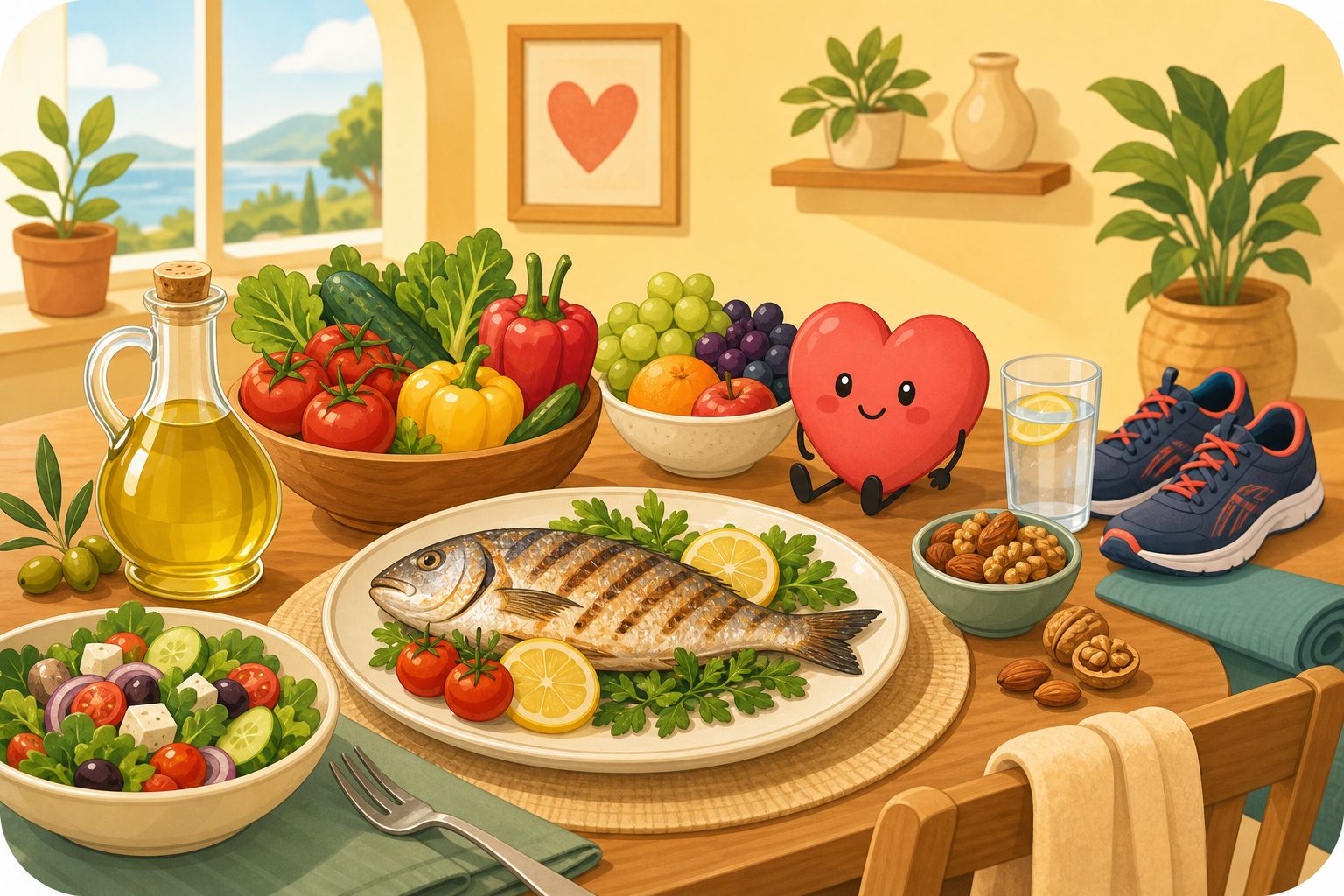
| Eat Deep-Sea Fish | 2 times a week of mackerel, saury, or salmon | Omega-3 (EPA/DHA) is a natural vessel anti-inflammatory agent, reducing blood clot formation |
| Daily Fruits & Veggies | Spinach, water spinach, bananas, guavas | Potassium helps excrete excess sodium, acting as a natural pressure reducer |
| More Whole Grains | Replace some white rice with oats, brown rice, or sweet potatoes | Soluble fiber binds cholesterol in the gut and flushes it out of the body |
How Does Omega-3 in Deep-Sea Fish Protect Blood Vessels?
Omega-3 protects blood vessels on multiple levels:
| Effect | Explanation |
|---|---|
| Anti-inflammatory | Reduces chronic inflammatory responses in blood vessel walls |
| Lower Triglycerides | Makes blood less “greasy” |
| Inhibit Platelet Aggregation | Prevents blood clot formation from the source |
If you rarely eat deep-sea fish, supplementing with high-purity fish oil is a good alternative.
It is recommended to choose products with higher EPA concentration for better blood vessel protection.
How Does Exercise Protect Blood Vessels?
The benefits of exercise on blood vessels go beyond just “burning calories.”
During exercise, blood vessels secrete a substance called nitric oxide (NO).
Nitric oxide is a natural relaxant for blood vessels, helping them expand, lower blood pressure, and restore elasticity.
You don’t need to work out to exhaustion. Brisk walking for 30 minutes daily—to the point where your heart rate increases, you sweat slightly, and you can talk but cannot sing—is absolutely perfect.
The Vessel-Protecting Effects of Exercise
| Effect | Explanation |
|---|---|
| Release Nitric Oxide | Helps vessels expand and relax, restoring elasticity |
| Lower Blood Pressure | Regular exercise helps steadily lower resting blood pressure |
| Improve Blood Lipids | Raises good cholesterol (HDL) and lowers bad cholesterol (LDL) |
| Control Weight | Reduces visceral fat, lowering chronic inflammation |
Why Are Winter and Temperature Differences the Arch-Enemies of Blood Vessels?
In addition to daily maintenance, changes in the external environment are also vessel killers.
Many people have mild arterial hardening but feel fine daily, yet suffer a sudden stroke when the temperature drops abruptly.
A temperature difference that is too large causes blood vessels to contract violently in an instant, making it a high-risk moment for acute stroke.
Protective Practices for Different Seasons
| Scenario | What to Do | Why It Matters |
|---|---|---|
| Waking Up in Winter | Move your hands and feet under the blanket first, and put on a coat before getting out of bed | Prevents sudden cold air on skin from causing rapid contraction of vessels |
| Showering in Winter | Warm up your hands and feet with water first; do not splash water directly on your head at the start | Prevents hot water from hitting the chest directly, causing a violent reaction in vessels |
| A/C in Summer | Do not rush directly into a cold A/C room when sweating profusely | Wild swings between hot and cold are unbearable for blood vessels |
| Defecation | Eat more high-fiber foods; do not strain or hold your breath excessively on the toilet | Straining and holding breath can cause blood pressure to spike past the danger limit instantly |
Is Taking Prescribed Medication More Important Than Supplements?
Yes, taking medication on time is always more important than supplements.
Patients with the “three highs” often have a misconception:
They feel “I have no symptoms, and my blood pressure is normal now,” so they stop taking medication on their own.
But blood pressure is normal because it is controlled by medication. Stopping medication at will causes blood pressure to spike like a roller coaster, which makes a stroke more likely to occur.
| Practice | Importance |
|---|---|
| Take Prescribed Meds on Time | Stable control of the three highs is the first line of defense against stroke |
| Measure Blood Pressure Regularly | Aim to keep it below 130/80 mmHg |
| Regular Health Checkups | For those over 40, add a carotid ultrasound to detect vascular crises early |
Protecting blood vessels and staying away from stroke does not require magic potions.
Drinking one less sip of salty soup, walking a few more steps, and going to bed early is the best investment for your body.