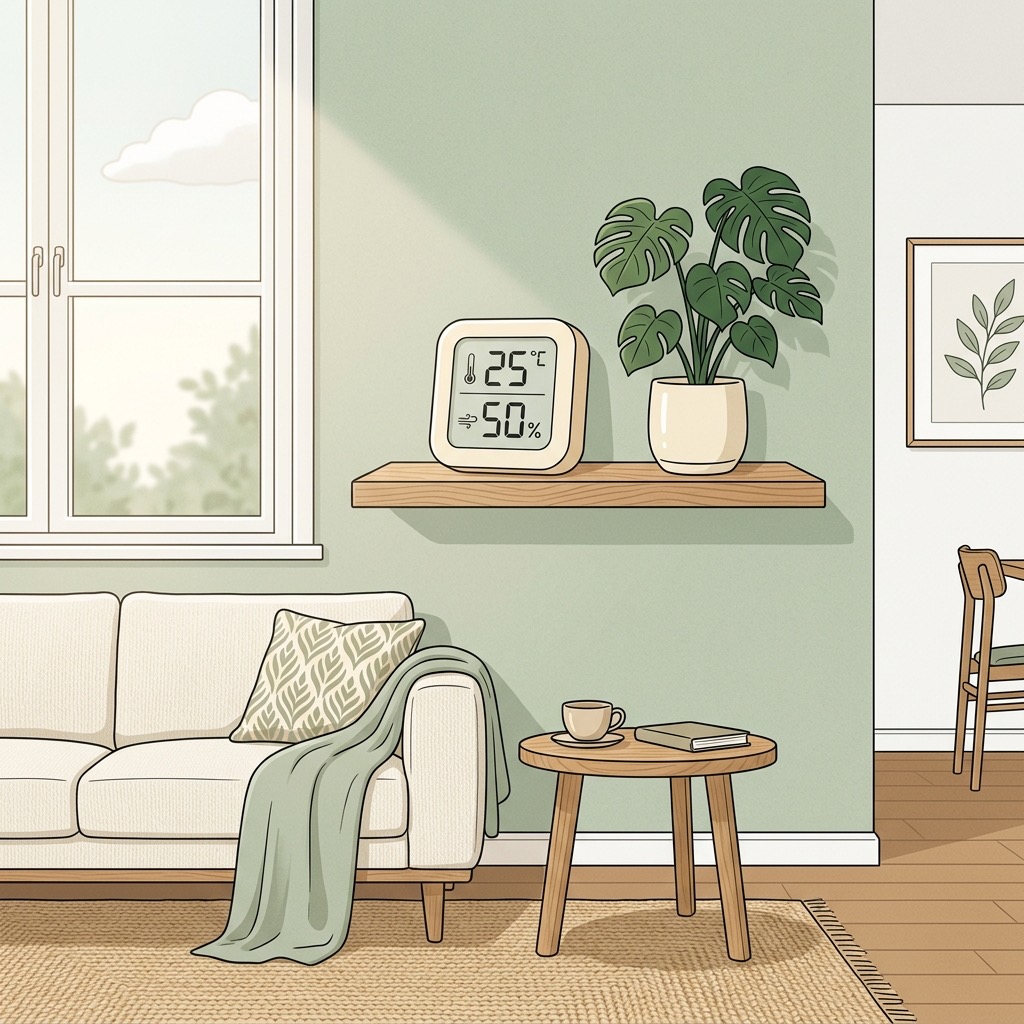
We often pay attention to room temperature, but overlook the profound impact of relative humidity on health. High humidity triggers mold, dust mites, and poor heat dissipation, while low humidity causes dry skin and static electricity. Learn about ideal humidity ranges and home environmental adjustment tips.
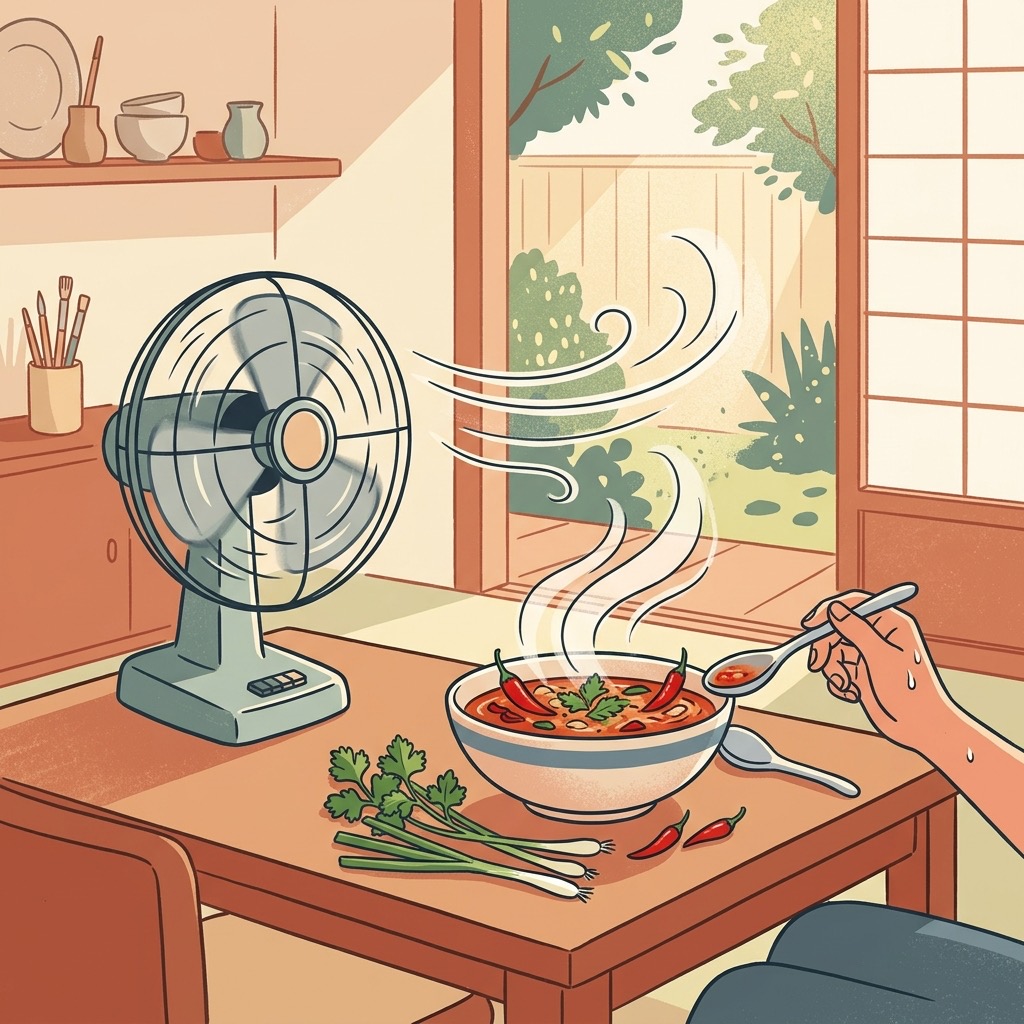
Have you heard the saying that eating spicy food in hot weather makes you sweat and cool down? We analyze how capsaicin tricks the brain into sweating and the key differences in cooling efficiency between dry heat and high humidity.
Even when summer temperatures aren't exceptionally high, why does it often feel stiflingly hot and suffocating? The key lies in high relative humidity blocking sweat evaporation. Understand human body heat dissipation and discover environmental tweaks and physical cooling hacks without AC.
Uncover the relationship between actual air temperature and perceived apparent temperature. Learn how high humidity causes steamer effects in summer and bone-chilling damp cold in winter, plus health impacts of 40-60% ideal humidity.
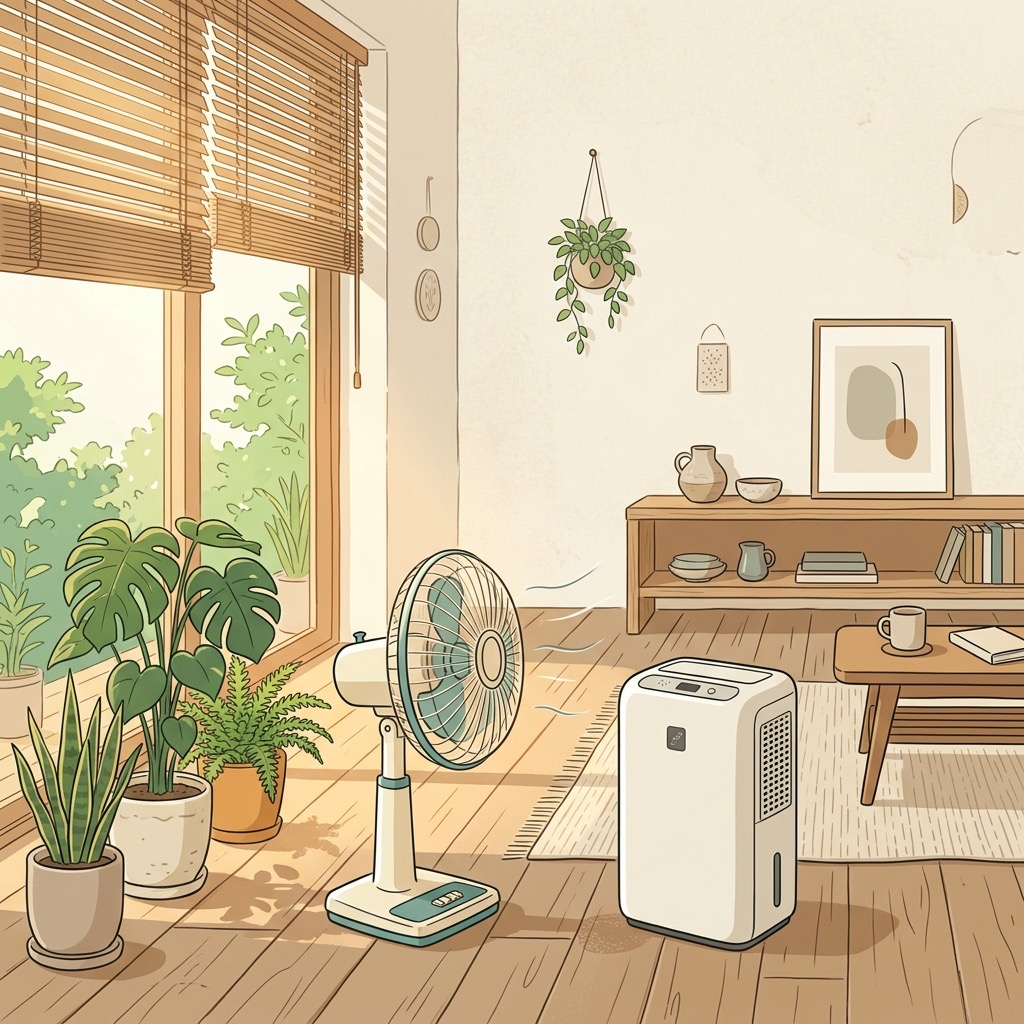
Is your room like a giant oven in summer? Explore how solar heat gain, home appliance waste heat, and high humidity create indoor stuffiness. Learn how air conditioner dehumidification works, diagonal window cross-ventilation, circulator placement, and physical insulation tips.
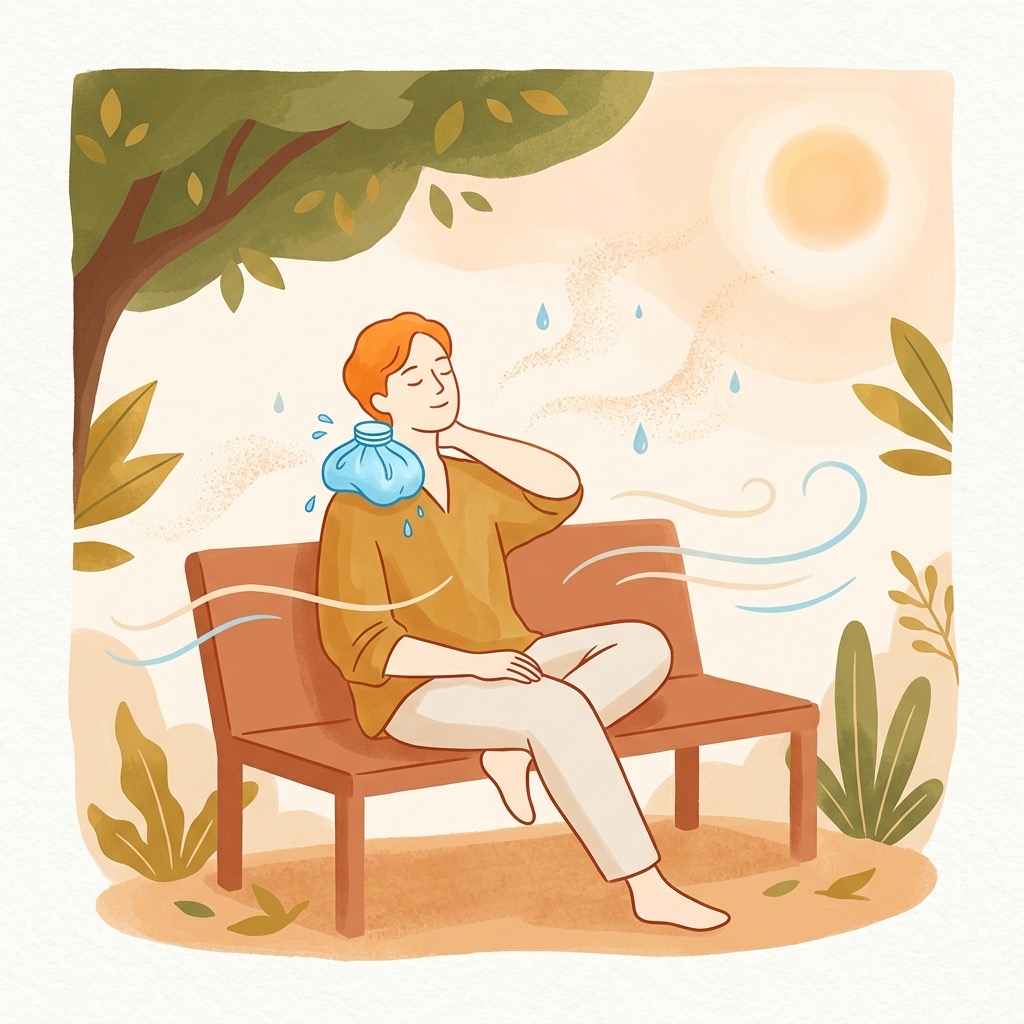
High summer humidity in Taiwan prevents sweat evaporation, causing heat exhaustion and heatstroke. Uncover sweating myths, learn 4 cooling methods like arterial ice packs (neck, armpits, groin), and 5 heat emergency steps.
Eating in the right order is more important than eating less! Starting with vegetables increases satiety and dietary fiber, followed by protein to delay gastric emptying, and finally eating carbs can smooth postprandial blood sugar spikes, avoiding food coma and pseudo-hunger caused by blood sugar fluctuations, helping you prevent fat accumulation and steadily control weight.
Read countless Pomodoro tips but always struggle to stick with them? The most effective Pomodoro workflow must be tailored to your unique work style. Learn the two planning steps, choosing your work-to-rest ratio, creating your anti-distraction shield and startup ritual, handling execution exceptions, and continuously optimizing your workflow through tracking.
The hardest part of the Pomodoro Technique is not focusing for 25 minutes, but whether you are willing to sit back down in your seat after a 5-minute break. Learn how the two-minute saving method prevents thought interruption, why phone usage is a pseudo-break, and the relaxation exercises for your eyes and body during breaks to make transitions between Pomodoro rounds smoother.
Set up the Pomodoro, but your mind still wants to browse your phone and can't settle down? Actually, the moment of starting is when the challenge begins. Learn how to clear flow blockers, how the two-minute buffer method and temptation bundling trick your brain, and the three-stage execution structure of the 25-minute Pomodoro to help you enter focus faster.
Sticking to 25 minutes of work and 5 minutes of rest sometimes breaks your train of thought. In fact, the Pomodoro ratio can be dynamically adjusted according to the type of task. Learn the ratio models for high-cognitive and low-cognitive tasks, the rhythm adjustment for manual labor and chores, and how to execute the Pomodoro technique in an office prone to interruptions, so you can find a rhythm that belongs only to you.
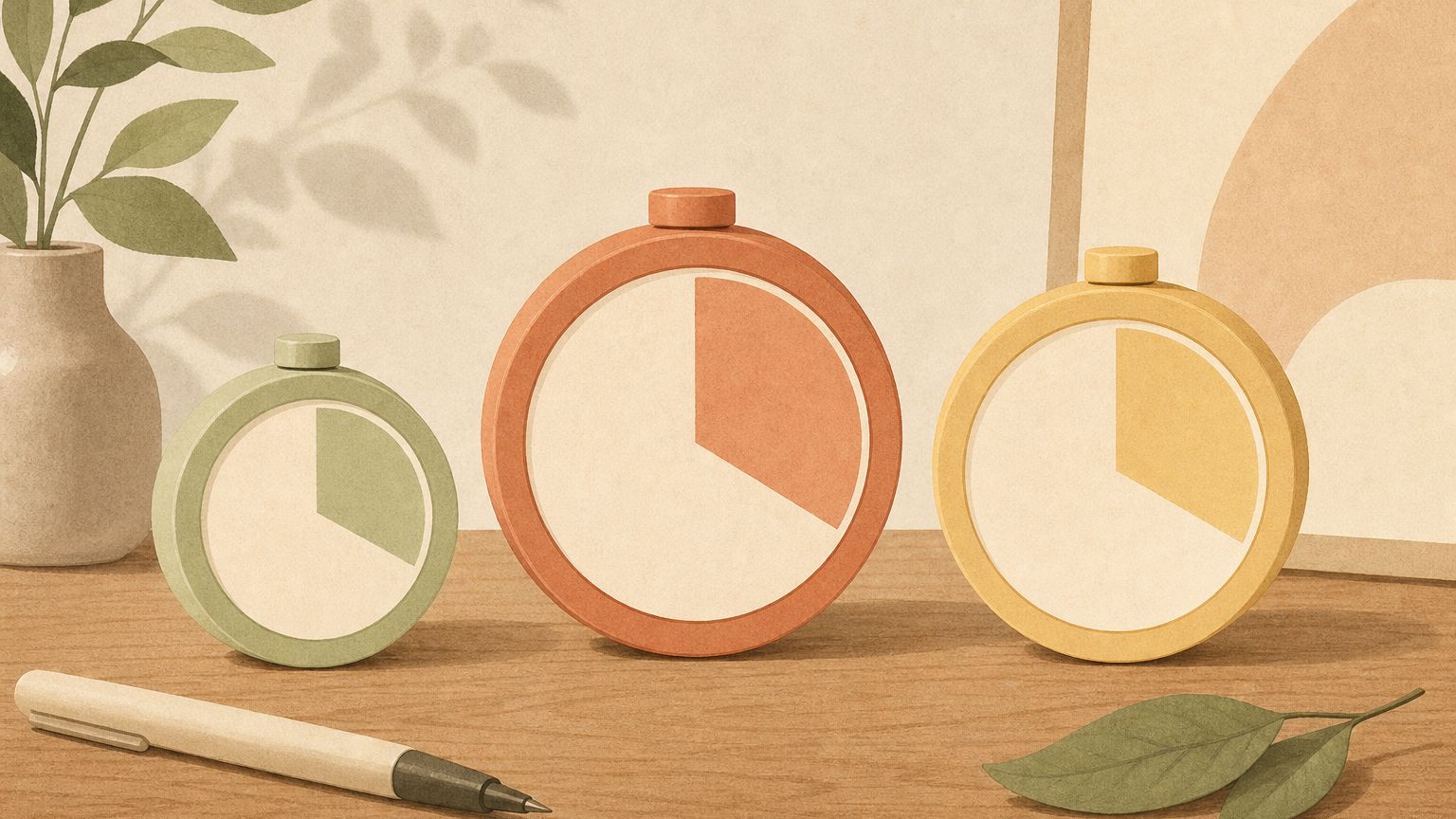
Many people have heard of the Pomodoro Technique, but few have wondered why it's named after a tomato. Its origin lies in a simple kitchen timer, designed to address anxiety over passing time and procrastination, dividing massive tasks into manageable 25-minute units. Beneath the surface, it's a system to train the brain to resist distractions.
When thinking of the Pomodoro Technique, most people imagine office workers sitting in front of computers. However, when facing endless chores and kids needing company, the Pomodoro Technique is an underrated life tool. Learn how to adjust Pomodoro intervals for physical labor to protect your body, how to allocate time with your kids while working from home, and how to turn the Pomodoro Technique into a tool for training kids' focus.
Many people can't stick to the Pomodoro Technique for more than three days, feeling that 25 minutes is too short or struggling to return to work after a break. The Pomodoro Technique is actually about switching between the brain's focus and diffuse modes. Learn the real purpose of breaks, common time ratio models, and how to handle flow states or interruptions to find your own Pomodoro rhythm.
The Pomodoro Technique seems simple, but it often gets stuck when applied in an office. Learn the six steps of the Pomodoro Technique and key planning principles to prevent failure, how to block office distractions using headphones, chat status, and gentle refusal techniques, combined with focus tools and transition tips to keep your concentration uninterrupted.
Still feeling tired despite sleeping for a long time? The key to sleep quality lies in the sleep cycle. Understand how the R90 sleep cycle determines your energy level, learn how to backward calculate the best sleep time using the R90 sleep method, why sleeping at 2:00 AM actually makes you more energetic, and combine it with the coffee nap to scientifically manage your energy and regain full vitality.
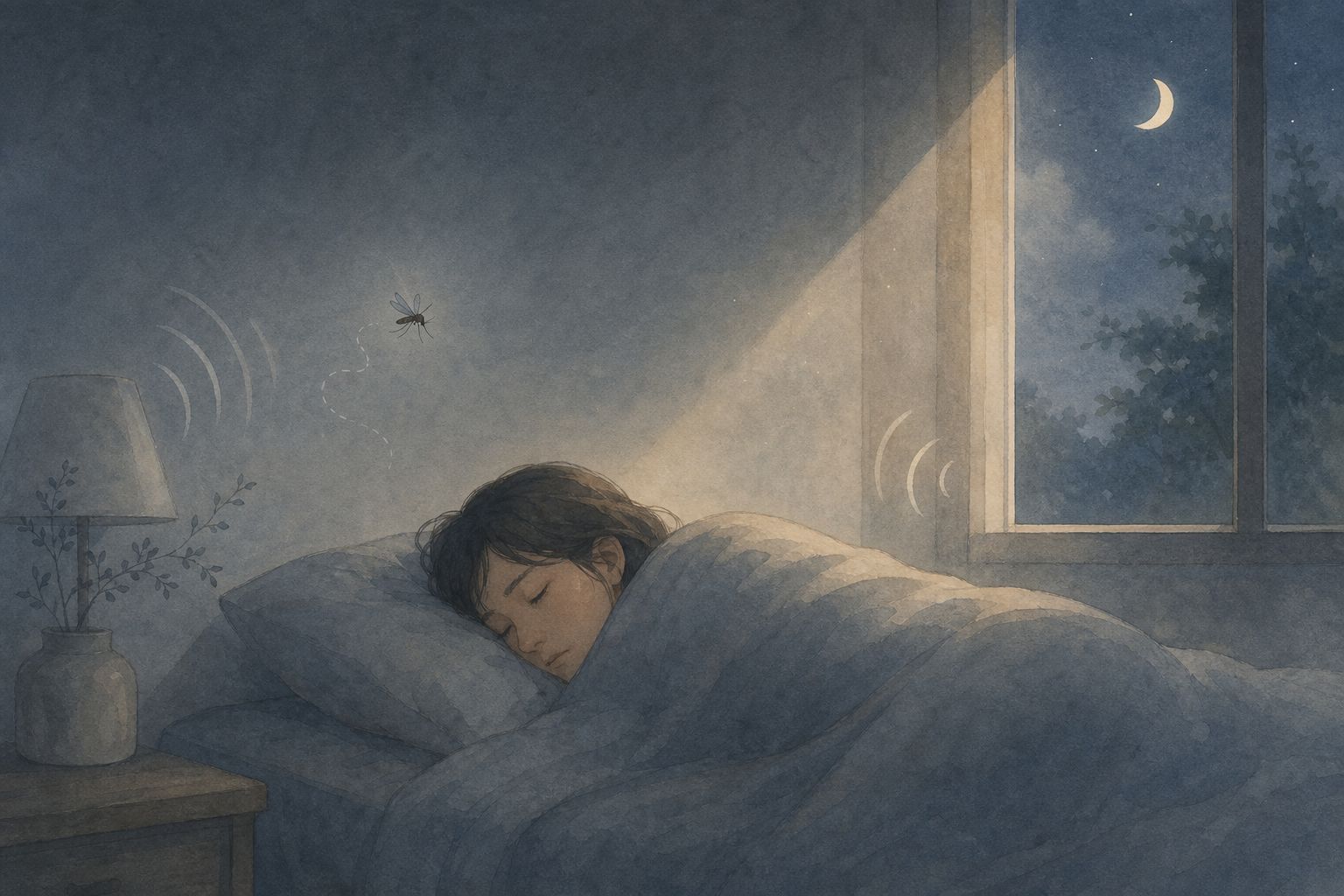
Do you toss and turn all night because of the buzzing of mosquitoes, streetlights, or snoring right when you're about to fall asleep? These minor environmental stimuli keep the brain alert, preventing it from entering deep sleep and leading to waking up more tired. Understand how the environment affects sleep quality and learn to create a sleep-friendly environment using mosquito nets, earplugs, eye masks, blackout curtains, and white noise to reclaim deep sleep without medication.
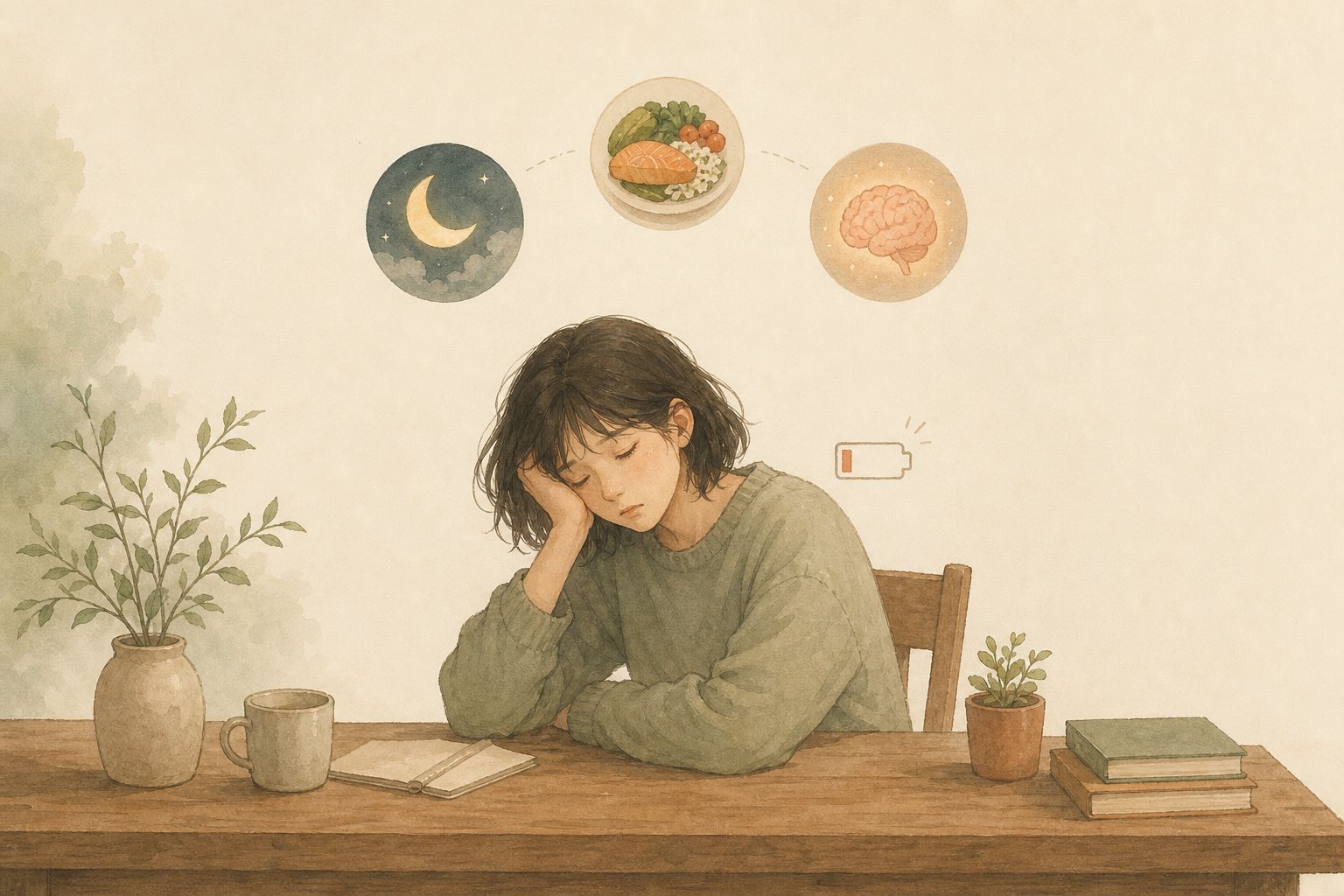
Still feeling tired even after sleeping for a long time? Fatigue isn't just about lacking sleep, but rather a simultaneous breakdown in three systems: sleep rhythm, blood sugar fluctuations, and brain overload. Understand the hidden culprits of getting more tired after resting, learn how to wake up correctly with the R90 sleep cycle, adjust eating order to stabilize blood sugar, and decompress an overworked brain to reclaim your non-stop energy throughout the day.
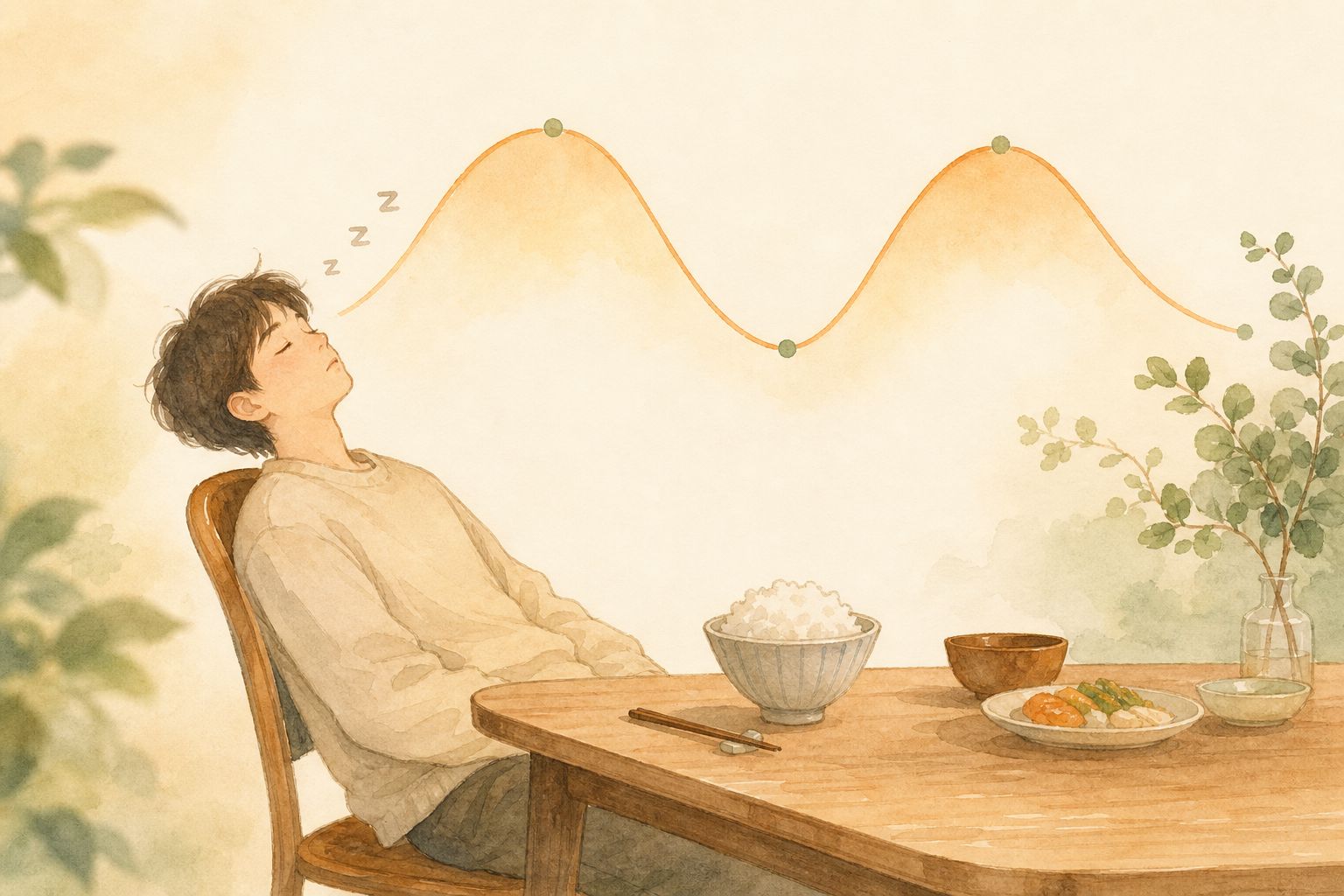
Heavy eyelids and slamming coffee after lunch just to get through the afternoon? This post-meal sleepiness is actually a carb coma, also known as a food coma. Learn the physiological mechanisms behind rapid blood sugar spikes and crashes, and master the eating order—vegetables first, then protein, and carbs last—to stabilize blood sugar, control portions, and take post-meal walks so you can say goodbye to fatigue and stay energized all afternoon.
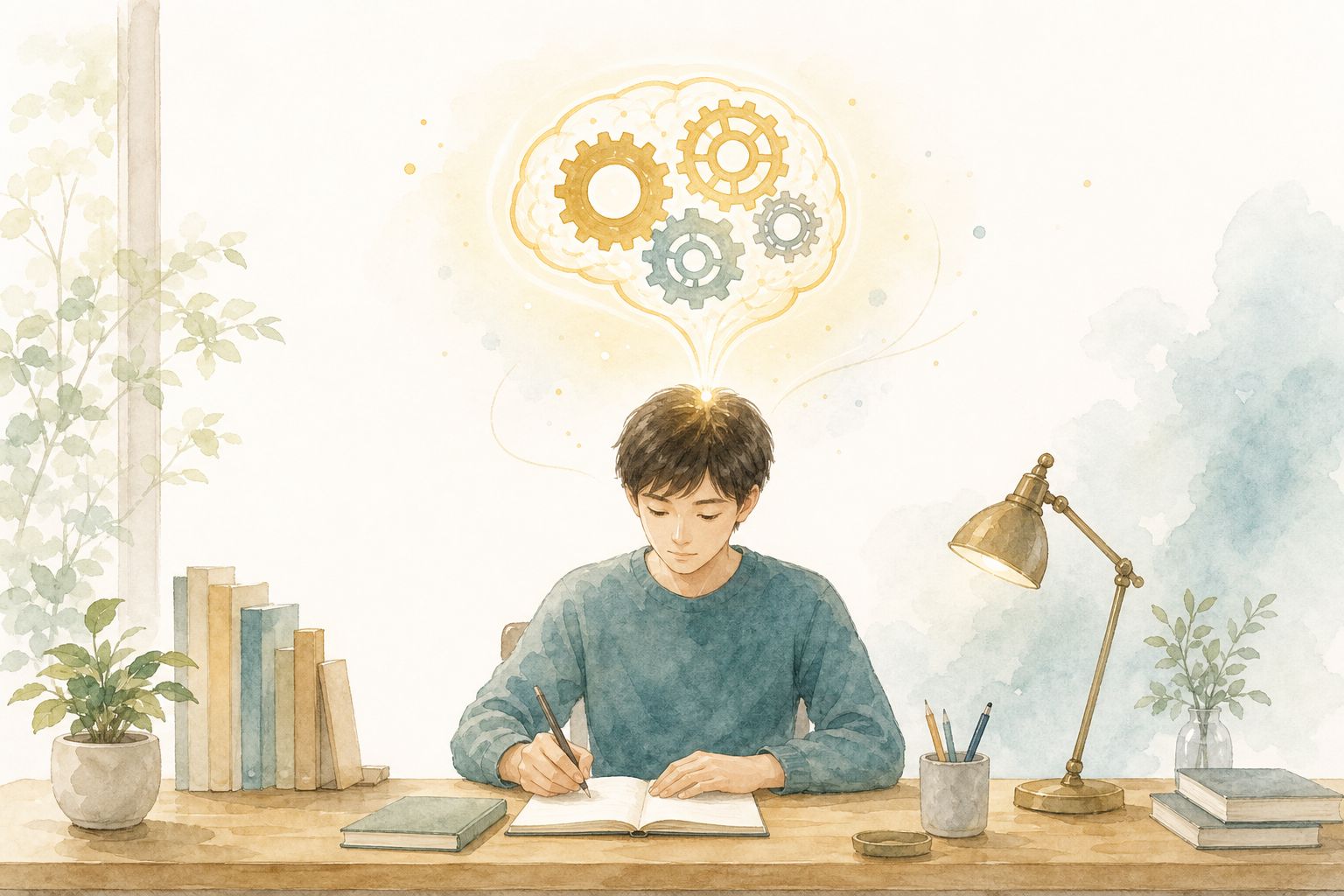
Sitting at the computer for an hour but progress is still zero, feeling like the brain is a stuck gear that won't turn? This is not laziness, the brain has really gone on strike. Learn how information overload and multitasking switch exhaust the brain's cognitive resources, and learn to manage energy with the Pomodoro Technique, clearing to-do lists, and intentional blankness to keep the brain operating in a clear and efficient mode.
Sitting in the office all day without lifting heavy objects, but too tired to talk after work, with a brain stuck in mud? It's not laziness, but an overworked or even inflamed brain. Understand the causes of brain fatigue and brain fog, how multitasking and chronic neuroinflammation drain your focus, and learn to let your overworked brain truly rest by blocking visual stimulation and saying goodbye to fake multitasking.
Lately finding yourself forgetful and unable to focus? This might not be early aging, but rather brain inflammation. Discover how a high-sugar, high-fat processed diet promotes neuroinflammation and causes brain fog, and learn how Omega-3, berry polyphenols, and the Mediterranean diet cool down your brain. Learn to replace refined carbs and sweets with an anti-inflammatory diet to restore a clear and sharp mind.
Intubation doesn't mean it's hopeless. It is an emergency tool to buy time when respiratory failure or airway obstruction occurs. Learn the four common timings for tracheal intubation, the reasons for being unable to speak and the need for sedation/restraint, and the three stages for extubation to help families face decisions outside the ICU without feeling lost.
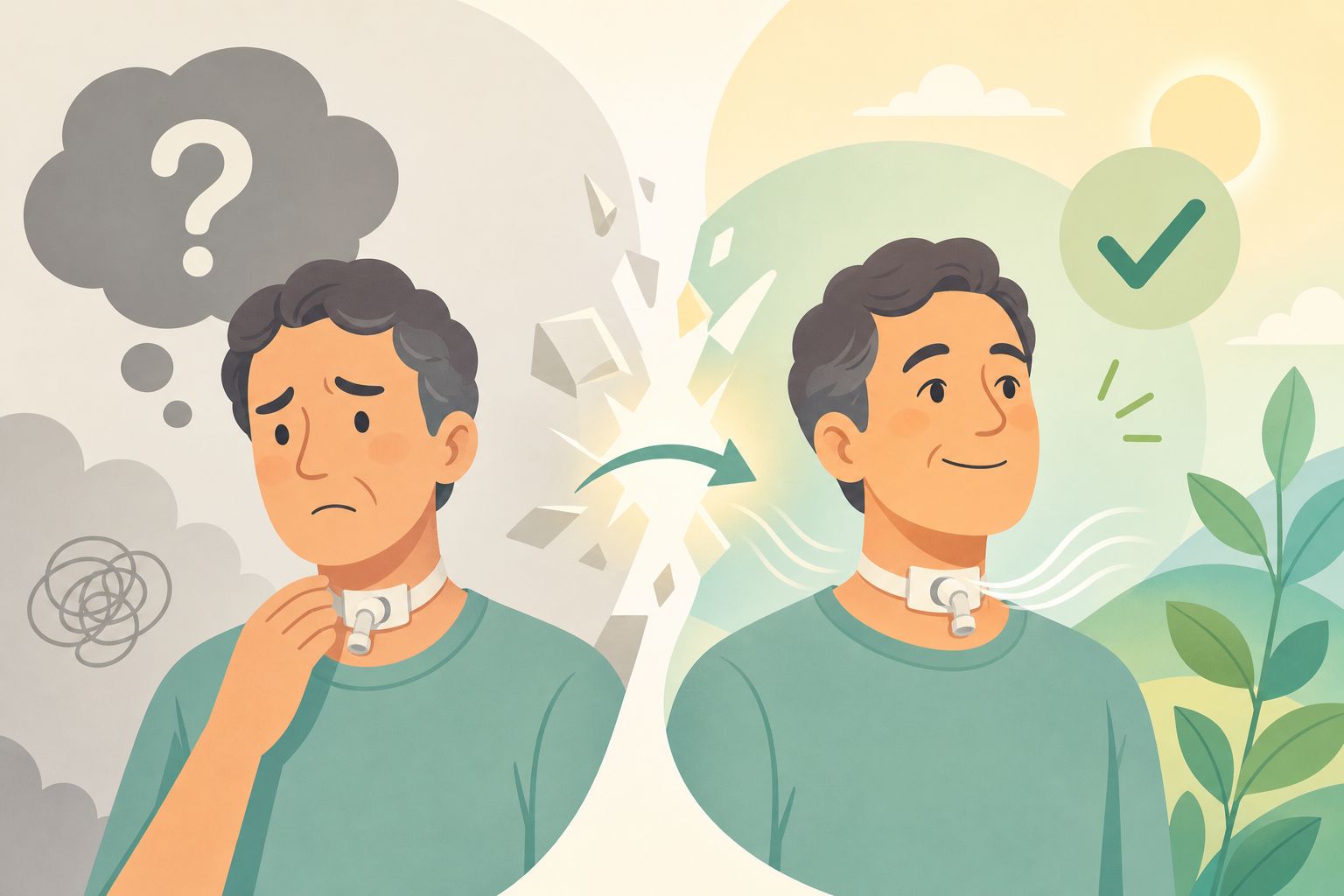
A tracheostomy is not waiting to die, but rather to relieve the pain of long-term intubation. Dispel three major myths: 'tracheostomy equals dying', 'can never be removed', and 'cannot speak'. Compare the differences between long-term intubation and tracheostomy, understand the benefits such as shorter tubes that make it easier to wean off ventilators, ability to eat and speak, and reduced infection risk, helping ICU families make more peaceful decisions when facing choices.
Decannulation and discharge is only the beginning, not the end, of home rehabilitation. Understand the three major rehab challenges after extubation—swallowing deterioration, muscle atrophy, and pulmonary sputum clearance—as well as the key aspects of tracheostomy home care, such as suctioning and HME (heat and moisture exchanger) maintenance. Learn about respiratory care wards and long-term care resources to help families build a stable home care system and avoid burning out while caring for critically ill loved ones.
Deciding whether to intubate a loved one at the end of life is one of the most difficult questions a family can face. Understand the difference between a Do Not Intubate (DNI) order and a Do Not Resuscitate (DNR) order, learn about the differences between palliative extubation and rehabilitative extubation, and comfort care during the extubation process. Help families reduce regrets in irreversible conditions through advance care planning and the four stages of life, and accompany loved ones to complete their final journey with dignity.
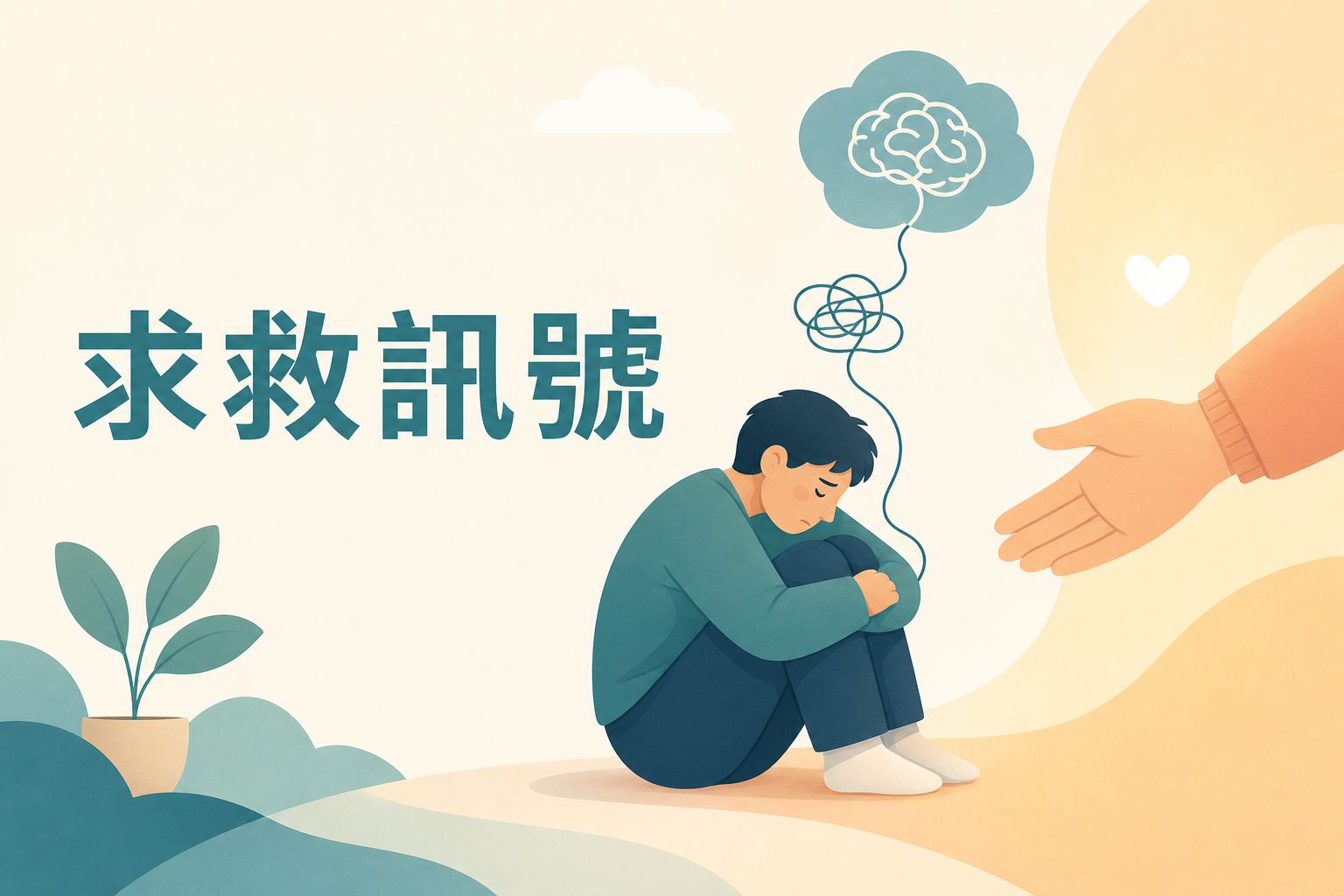
Your intellect is desperately trying to pull yourself together, but your body feels locked and won't move. Is this really just weak willpower? Understand the neurotransmitter imbalance behind psychomotor retardation and avolition, recognize when the brain is sending warning signals, master the timing of medical treatment, and face the fact that a mental cold also requires professional help.
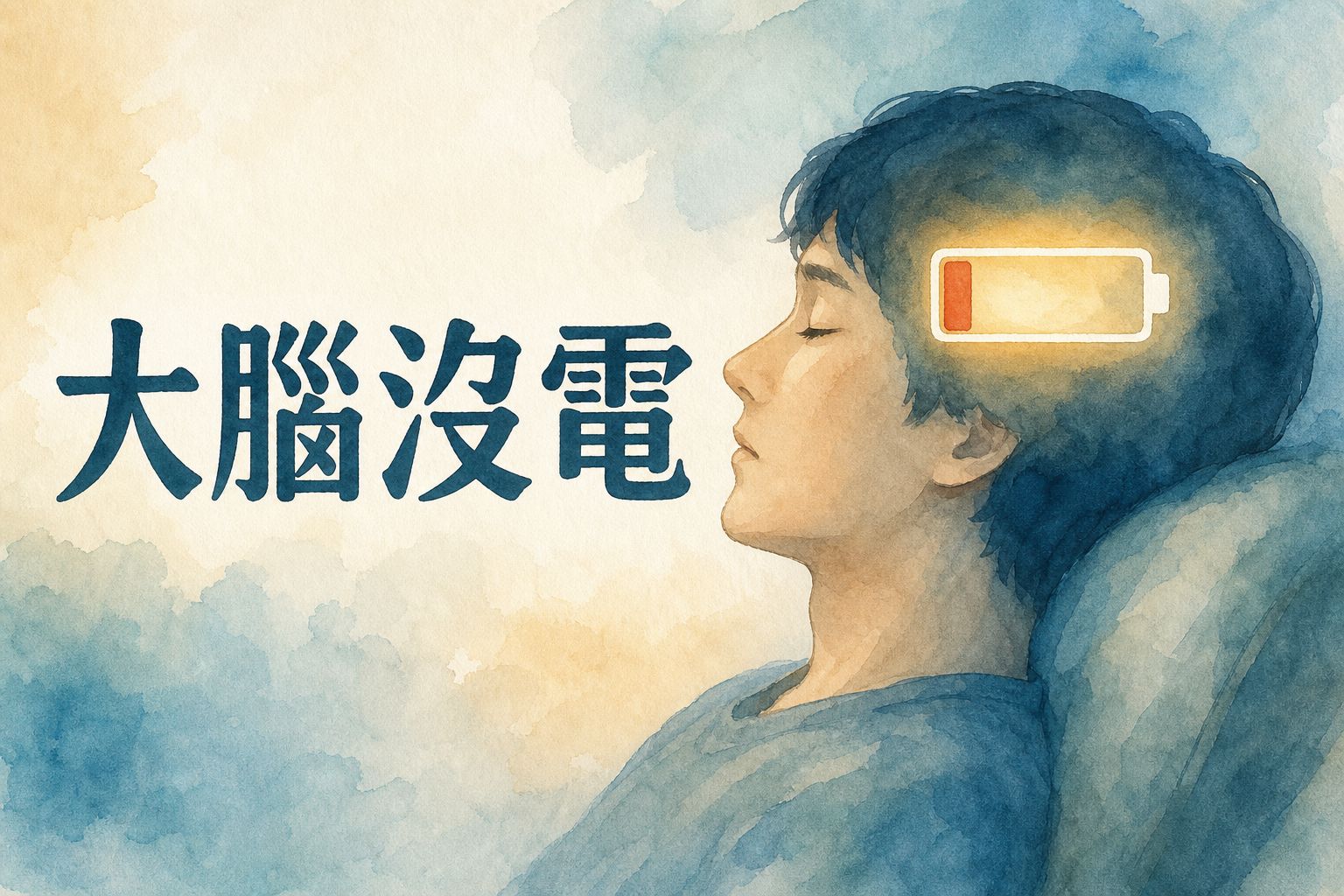
Want to work but body won't move? Feeling more tired the more you rest? Understand the freeze response and dopamine depletion when brain energy is drained, why lying down causes mental friction, and how to reboot guilt-free using visual fasting, low-cognitive-load activities, and low-energy dry runs to avoid the pseudo-recovery trap.
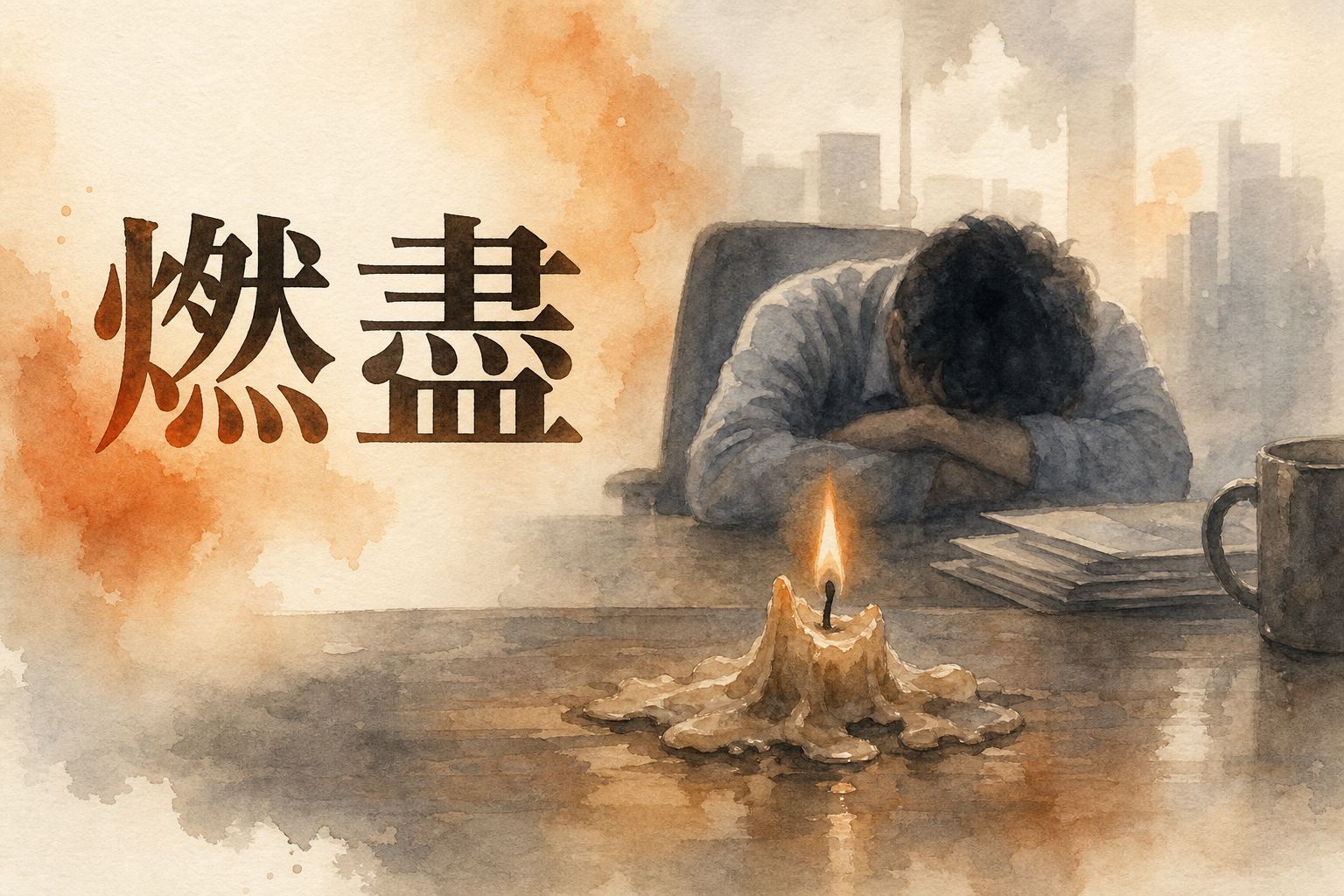
It's normal to dread work on Monday, but if you're exhausted even on weekends and lose interest in things you love, you might be burned out. Understand the three core symptoms of burnout syndrome—exhaustion, mental detachment, and low efficacy—distinguish between simple fatigue and professional burnout, and find your passion for life again by setting boundaries and regaining control.
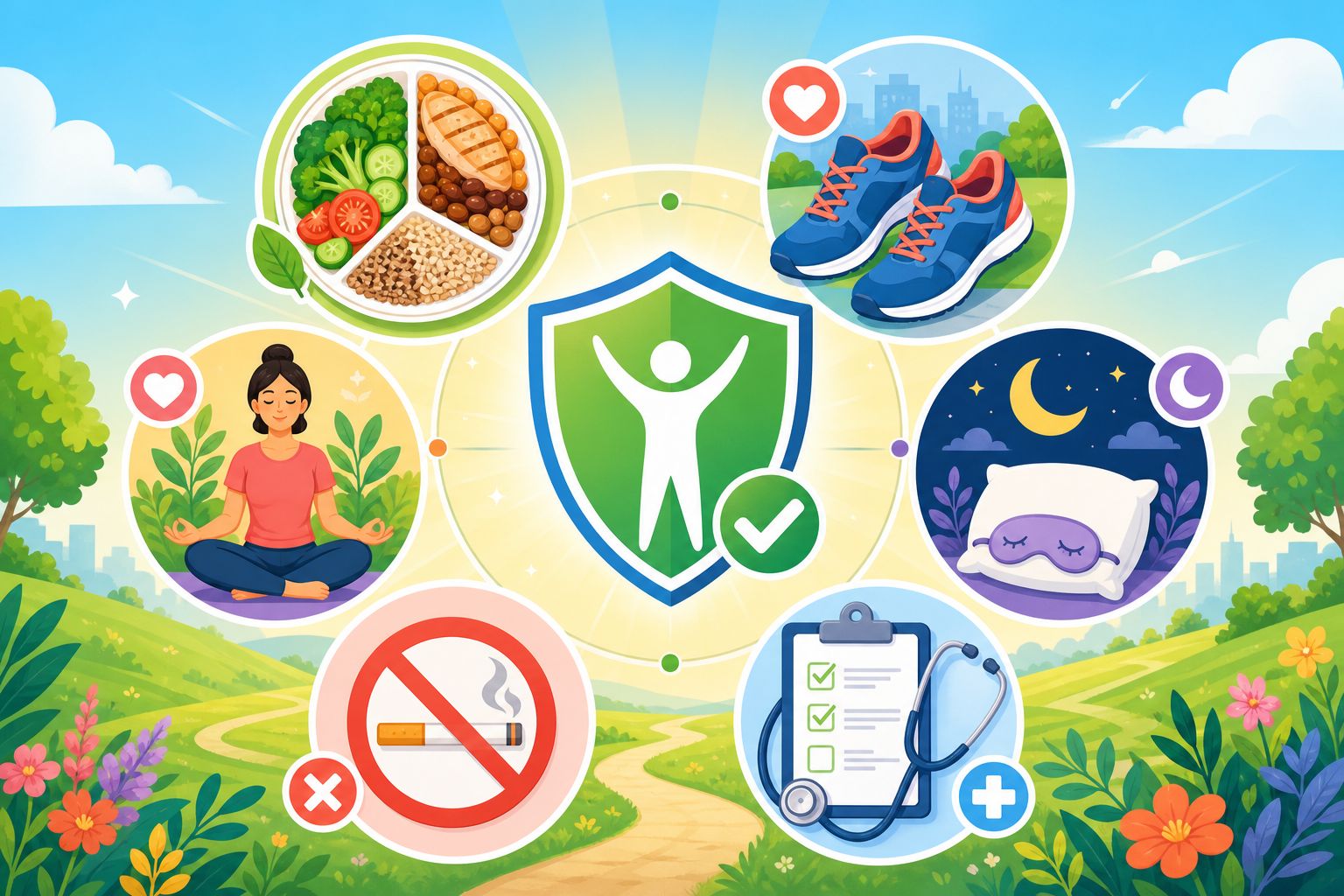
Preventing diabetes is not just about eating less sugar; diet, exercise, sleep, stress, alcohol/smoking, and regular check-ups are all essential. Master these 6 core habits to build a glucose-stabilizing lifestyle.