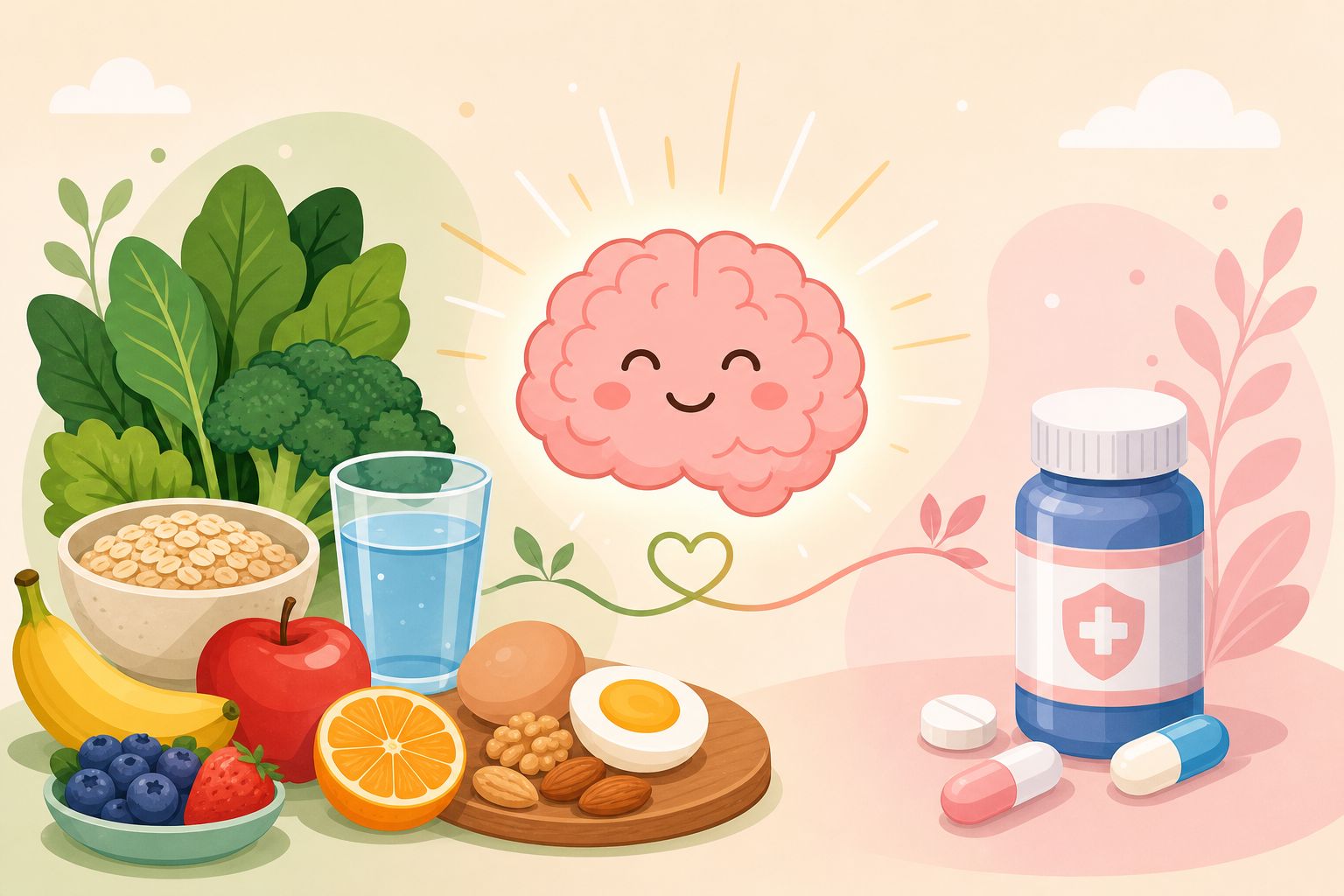
When a headache strikes, is your first move to look for pain relievers?
In fact, in the fight against tension headaches, migraines, and cluster headaches, the food we eat every day also plays a crucial role.
Which Foods Trigger Migraines?
A lot of times, headaches are what we “eat” ourselves into.
For migraine sufferers, certain foods are like invisible switches; eating them can trigger a painful attack within a few hours.
Common trigger foods:
| Trigger Type | Foods | Possible Mechanism |
|---|---|---|
| Tyramine-rich | Aged cheese, fermented foods, pickled items | Tyramine promotes vasodilation, stimulating nerves |
| Nitrate-rich | Sausages, bacon, ham, and other processed meats | Nitrates cause dilation of blood vessels in the brain |
| Caffeine (Excess) | Large amounts of coffee, energy drinks | Excessive caffeine leads to rebound headaches |
| Alcohol | Red wine (contains histamine and tyramine), beer | Promotes vasodilation and dehydration |
| Artificial Additives | MSG, artificial sweeteners (aspartame) | May overstimulate nerves |
| Chocolate | Dark chocolate, products with high cocoa content | Contains tyramine and phenylethylamine |
Not every migraine sufferer is sensitive to the same foods; everyone’s trigger list is different
Some people can eat cheese with no problems at all, while others start feeling a dull ache just from smelling MSG.
So, instead of memorizing a “do-not-eat list,” it is better to identify your own actual triggers by keeping a food diary.
What Can You Eat to Help Prevent Headaches?
Since there are trigger foods, are there “good foods” that can help prevent headaches?
| Nutrient | Food Sources | How It Helps Headaches |
|---|---|---|
| Magnesium | Dark green vegetables, nuts, whole grains, bananas | Stabilizes nerve transmission and reduces vasospasm |
| Vitamin B2 (Riboflavin) | Milk, eggs, mushrooms, almonds | Improves brain energy metabolism, reducing migraine frequency |
| Omega-3 Fatty Acids | Salmon, mackerel, flaxseeds, walnuts | Anti-inflammatory, reducing neuropathic pain |
| Water | Plain water, sugar-free tea | Prevents dehydration headaches |
| Coenzyme Q10 | Mackerel, broccoli, spinach | Improves mitochondrial function, stabilizing brain energy supply |
Staying hydrated is the most easily overlooked preventive measure; mild dehydration is enough to trigger a headache.
Many people get busy and don’t drink water all day, and by the afternoon, a dull ache sets in. Developing the habit of drinking water regularly is the simplest and most effective way to prevent headaches.
Why Is Magnesium Particularly Important for Migraines?
Studies have found that many migraine sufferers have low magnesium levels in their bodies. Magnesium can:
- Stabilize the excitability of nerve cells, preventing excessive discharge
- Help muscles relax, reducing the occurrence of tension headaches
- Reduce the cortical spreading depression phenomenon that triggers migraines
Getting enough magnesium (recommended 300-400 mg daily for adults) from your diet helps significantly reduce the frequency of migraine attacks.
Proper Medication Use for Three Types of Headaches
When dietary adjustments are not enough and a headache strikes, proper medical treatment is still necessary.
| Headache Type | Acute Treatment Medication | When to Use |
|---|---|---|
| Tension Headache | Acetaminophen or Ibuprofen (OTC pain relievers) |
Take as early as possible when the headache begins |
| Migraine | Triptans |
The earlier you take it after pulsating pain appears, the better the effect |
| Cluster Headache | Oxygen therapy or fast-acting triptans (nasal spray/injection) | Use immediately during an attack; oral medication is usually too slow |
The most important principle for pain relievers: take them early
Many people tolerate the pain until they can’t bear it anymore before taking medication, but pain relievers actually work best when taken within the first 30 minutes of a headache’s onset.
Once the pain has fully developed, the same dosage often fails to suppress it.
What Is Preventive Medication?
If migraines occur more than 4 times a month, or severely affect your quality of life, a physician may recommend using preventive medication.
- Preventive medications must be taken regularly every day, not just when you feel pain
- It usually takes 2-3 months of use to see significant results
- The goal is to reduce the frequency and severity of attacks, not to eliminate headaches entirely
Taking Too Many Pain Relievers Can Actually Make It Worse?
“Medication Overuse Headache” is a new type of headache caused by using pain relievers too frequently, trapping you in a vicious cycle of more pain and more pills.
Diagnostic criteria:
| Medication Type | Definition of Overuse |
|---|---|
| General Pain Relievers (Acetaminophen, Ibuprofen) | Used more than 15 days a month |
| Triptans | Used more than 10 days a month |
| Combination Pain Relievers (containing caffeine or opioids) | Used more than 10 days a month |
Once caught in this cycle, the only solution is to gradually reduce medication under a doctor’s guidance.
Headaches may temporarily worsen in the early stages of withdrawal, but once you get through it, the frequency of headaches usually drops significantly.
Principles of Proper Medication Use
- Do not wait until the pain is unbearable to take pain relievers, but also do not take them at the first sign of slight discomfort
- Limit the use of pain relievers to no more than 2-3 days a week
- If you find yourself taking them more and more frequently, you should discuss preventive treatment with a doctor as early as possible
- Do not increase the dose on your own; if a standard dose is ineffective, it means you need to switch medications, not increase the dosage
Build Your Headache Defense Line Starting from Diet
We have more weapons against headaches than we think.
| Dimension | Action Suggestions |
|---|---|
| Record Diet | Keep a food diary to identify your own trigger foods |
| Supplement Nutrition | Consume more foods rich in magnesium, vitamin B2, and Omega-3 |
| Stay Hydrated | Drink water regularly every day; do not wait until you are thirsty |
| Correct Medication | Take pain relievers early, but avoid overuse |
| Seek Help | Discuss the possibility of preventive treatment with a doctor if headaches occur frequently |
Don’t let headaches control your dining table. Starting from your next meal, build your defense line through what you eat.