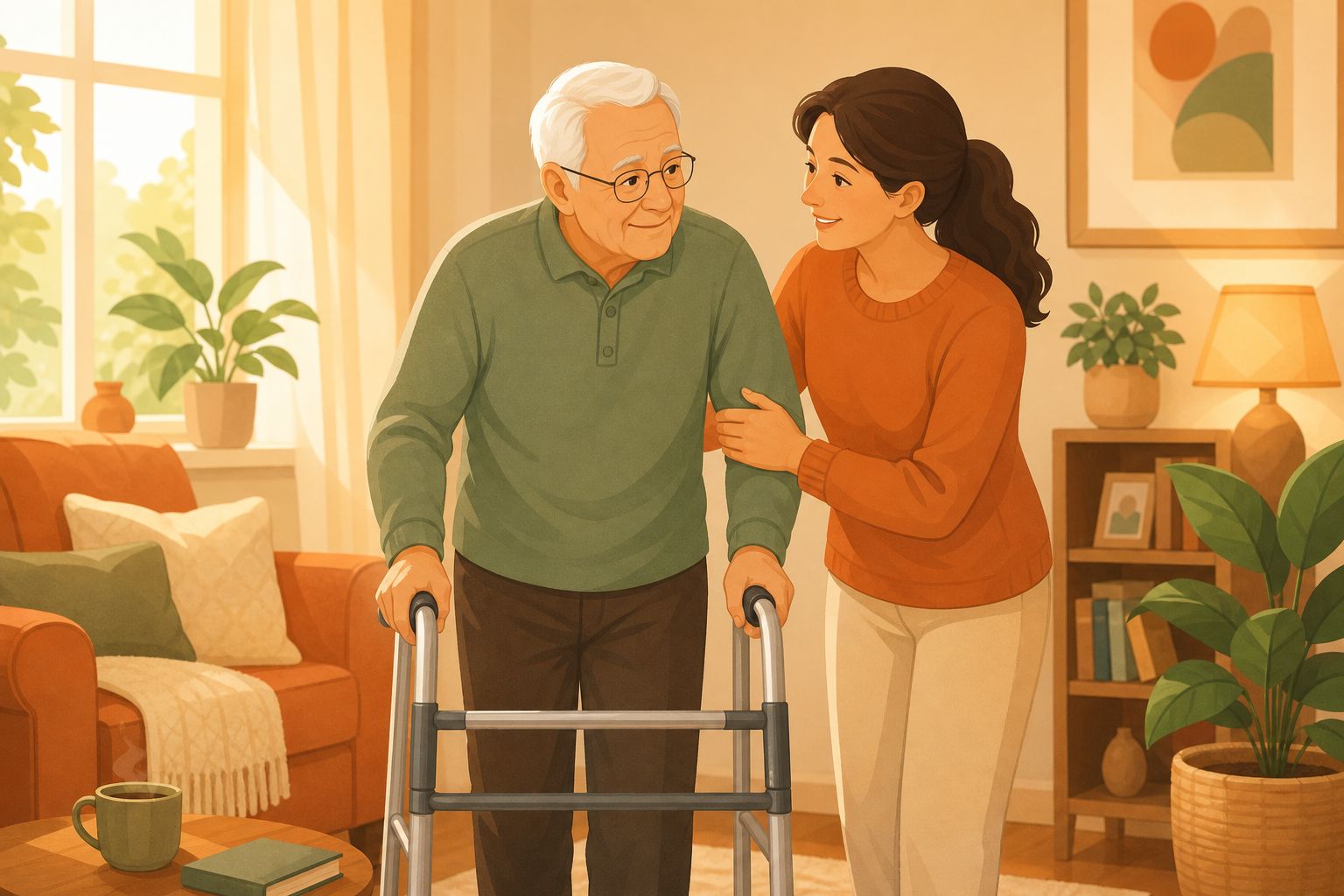
Many family members believe that once a patient successfully is weaned off the ventilator and discharged, it means they are fully recovered.
In reality, discharge is often just the starting line of a home rehabilitation marathon.
From the moment they step out of the hospital doors, the true test of long-term care begins.
Is Everything Fine After Extubation? The Body Is Actually Still "Rebooting"
Patients who have been bedridden in the Intensive Care Unit (ICU) for a long time have experienced severe damage to almost all body systems, which is medically termed Post-Intensive Care Syndrome (PICS).
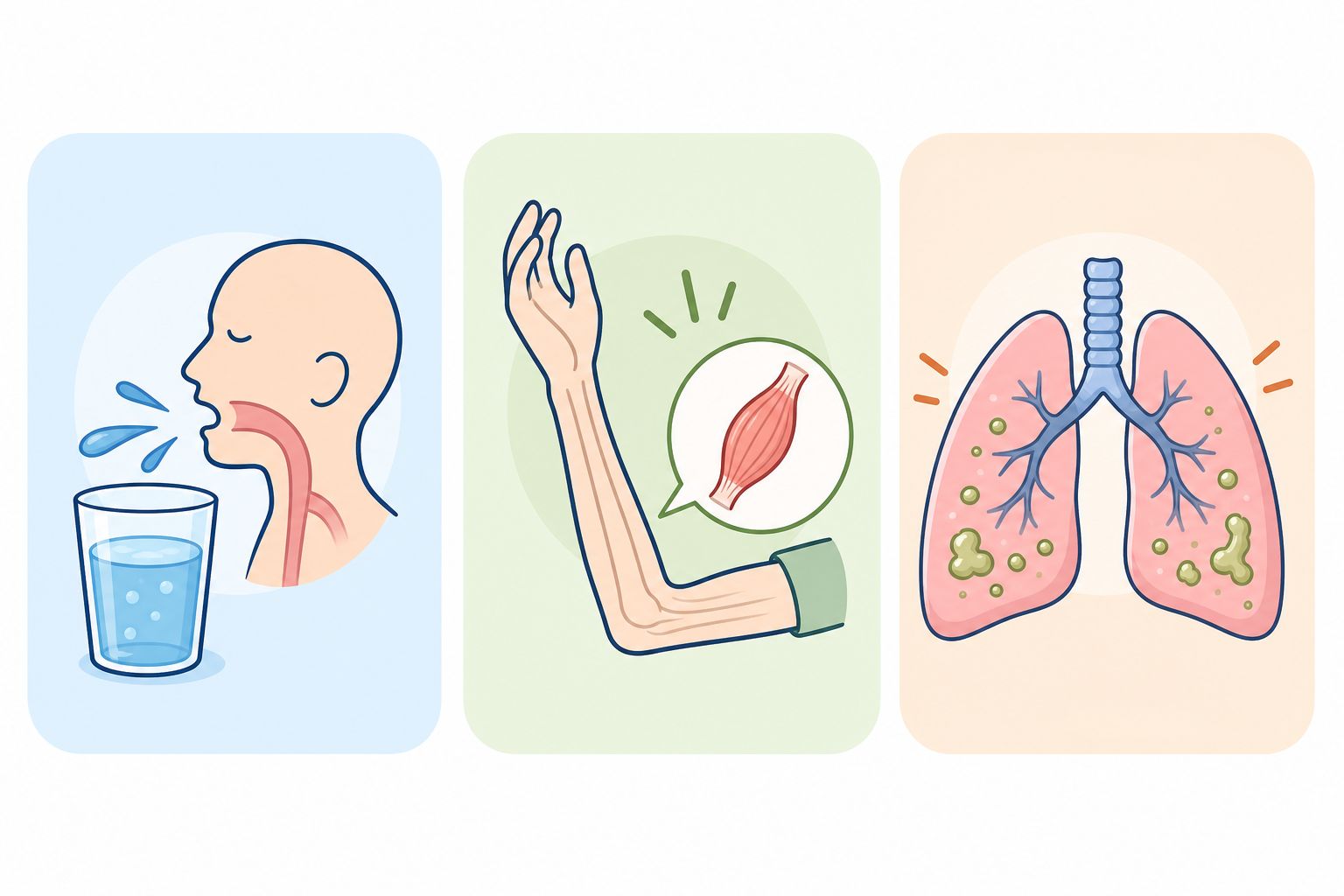
Even after successful extubation, there are still three major rehabilitation challenges to overcome at home:
| Rehab Challenge | What Happened | Care Focus |
|---|---|---|
| Swallowing "Amnesia" | Degeneration of swallowing muscles makes drinking water extremely easy to choke on | Use thickeners combined with speech therapy to prevent aspiration pneumonia |
| Muscle Disuse Atrophy | Prolonged bed rest causes muscle loss, making even sitting up steadily difficult | Enhance fall prevention and step-by-step physical rehabilitation |
| Unable to Clear Lung Sputum | Insufficient strength to cough out phlegm, causing sputum to easily get trapped in the lungs | Learn chest percussion therapy and practice with an incentive spirometer |
Successful extubation only means "being able to breathe on one’s own", and there is still a long recovery path ahead before "restoring independent living".
Going Home with a Tracheostomy Tube: What Tough Challenges Do Families Face?
If the patient is discharged with a tracheostomy tube, family members face an even higher intensity of care challenges.
The most nerve-wracking task is having to perform sputum suctioning with their own hands:
| Tracheostomy Home Care | Why It Matters |
|---|---|
| Learning Home Suctioning | Accumulation of sputum will obstruct the airway; families must overcome fear and keep the tube clean |
| Using an HME for Humidification | Since air no longer passes through the nasal cavity to be humidified, an HME prevents thick sputum from clogging the tube |
| Monitoring Blood Oxygen & Breathing | Keep an eye on oxygen saturation and respiratory rate; react early if abnormalities occur |
Suctioning is not meant to push families to their limits, but is the most direct way to maintain airway patency. It becomes less terrifying once you get used to it.
Almost every family member’s hands shake during the first operation, which is completely normal. Before discharge, make sure to ask the nurse for hands-on teaching and practice it yourself a few times; it is much more useful than watching videos.
Care Cannot Be a Solo Journey: How to Build a Home Care System?
Working during the day and waking up at night to perform suctioning is not caregiving; it is burning out the life of the entire family.
Instead of holding on until a breakdown occurs, it is better to establish a practical care support system early:
| Care Mode | Suitable Situation |
|---|---|
| Professional Facility Care | When the condition is complex, consider a respiratory care ward or nursing home to let a professional team take over |
| Mixed Home Support | When choosing to care at home, hire a foreign caregiver combined with Long-Term Care 2.0 and home care nurses to share the pressure |
Utilizing long-term care resources is not pushing family members away; rather, it makes caregiving more stable and sustainable.
Caregivers are also human; they get tired, fall ill, and experience emotions.
Stabilize the caregiver first, so there is energy left to care for the patient.
Can Patients Still Speak After a Tracheostomy? How to Use a Speaking Valve?
Many family members are most concerned about whether their loved one with a tracheostomy can speak again. The good news is that if their condition is stable, a tracheostomy speaking valve can help retrieve their voice.
| Speaking Valve Key Points | Explanation |
|---|---|
| One-way Valve Principle | Allows airflow to enter during inhalation and reroute through the vocal cords during exhalation to produce sound again |
| Initial urge to cough | The change in airflow route requires adaptation; practicing swallowing slowly will improve it |
| Cleaning & Maintenance | Regularly clean and disinfect, and remove it to rest at any sign of discomfort |
Being able to call a family member’s name again is often the key motivation for patients to regain confidence and actively engage in rehabilitation.
Caring for a family member who has just recovered from a critical illness is never a one-person job.
Knowing how to make good use of long-term care resources and establish a stable care system is the long-term solution to ensure patient safety and prevent caregiver burnout.