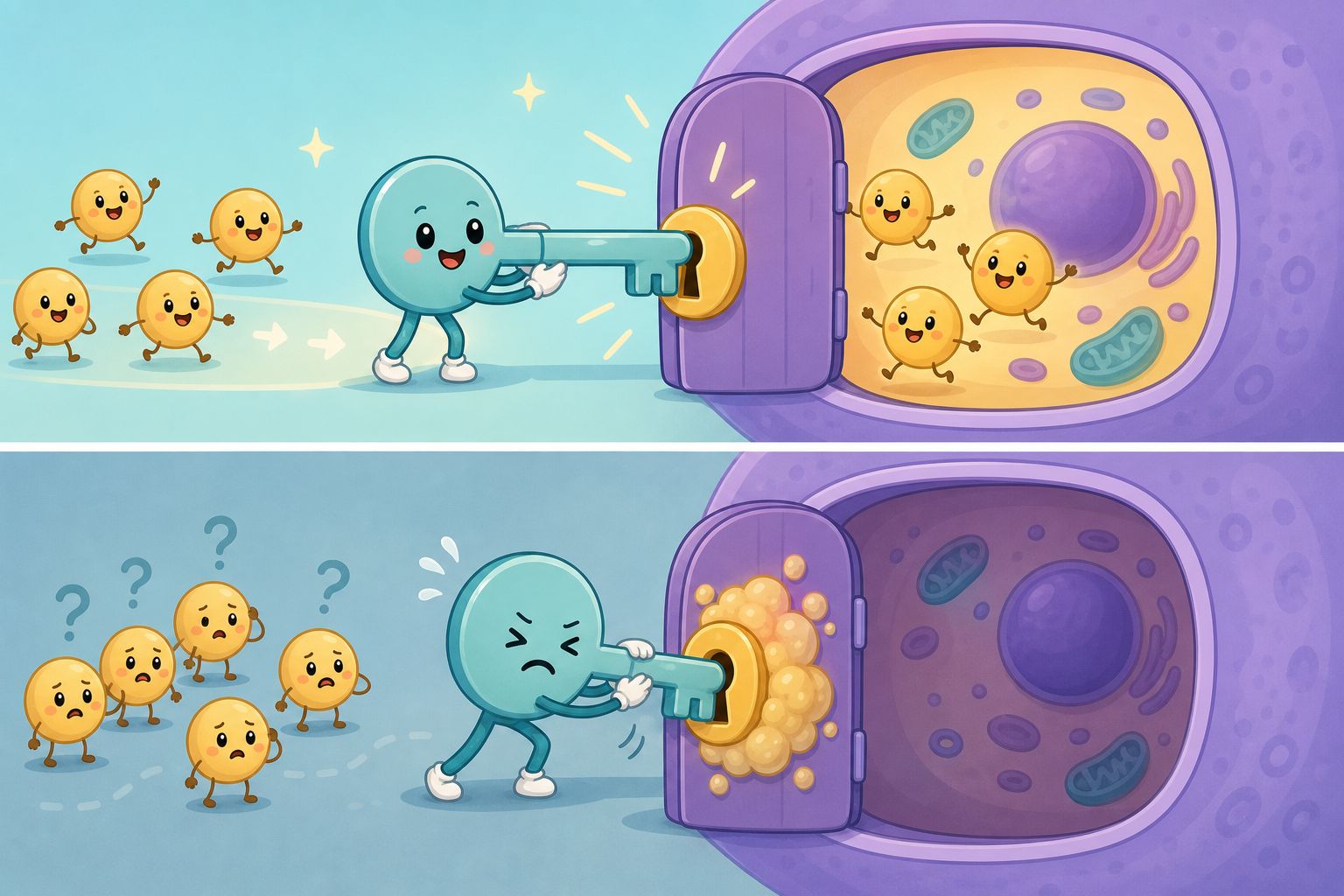
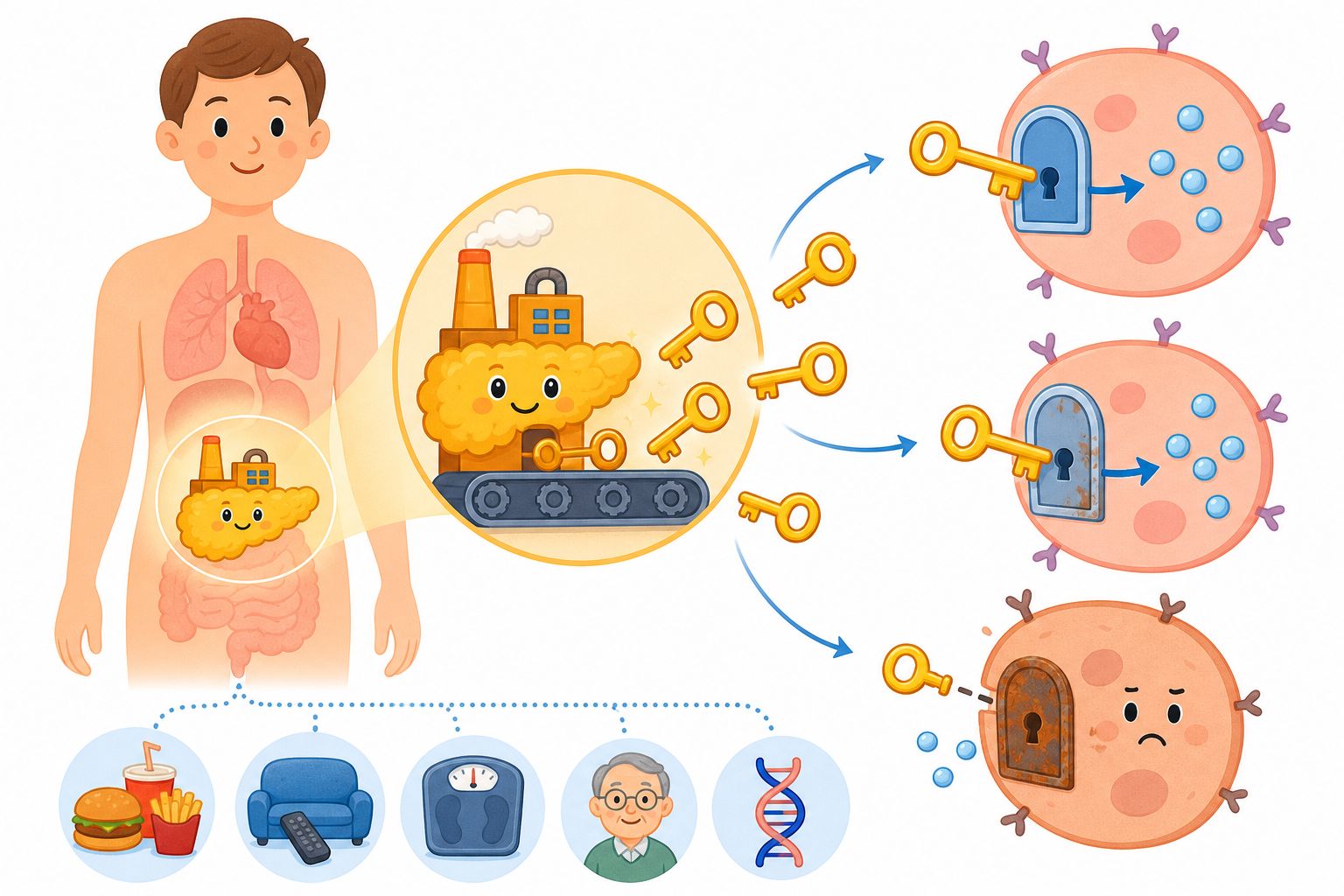
Insulin acts like a key, responsible for unlocking cells to let blood sugar in. Insulin resistance means the lock is broken and the key fails. Understanding how it works and breaks down is key to avoiding diabetes from the root.
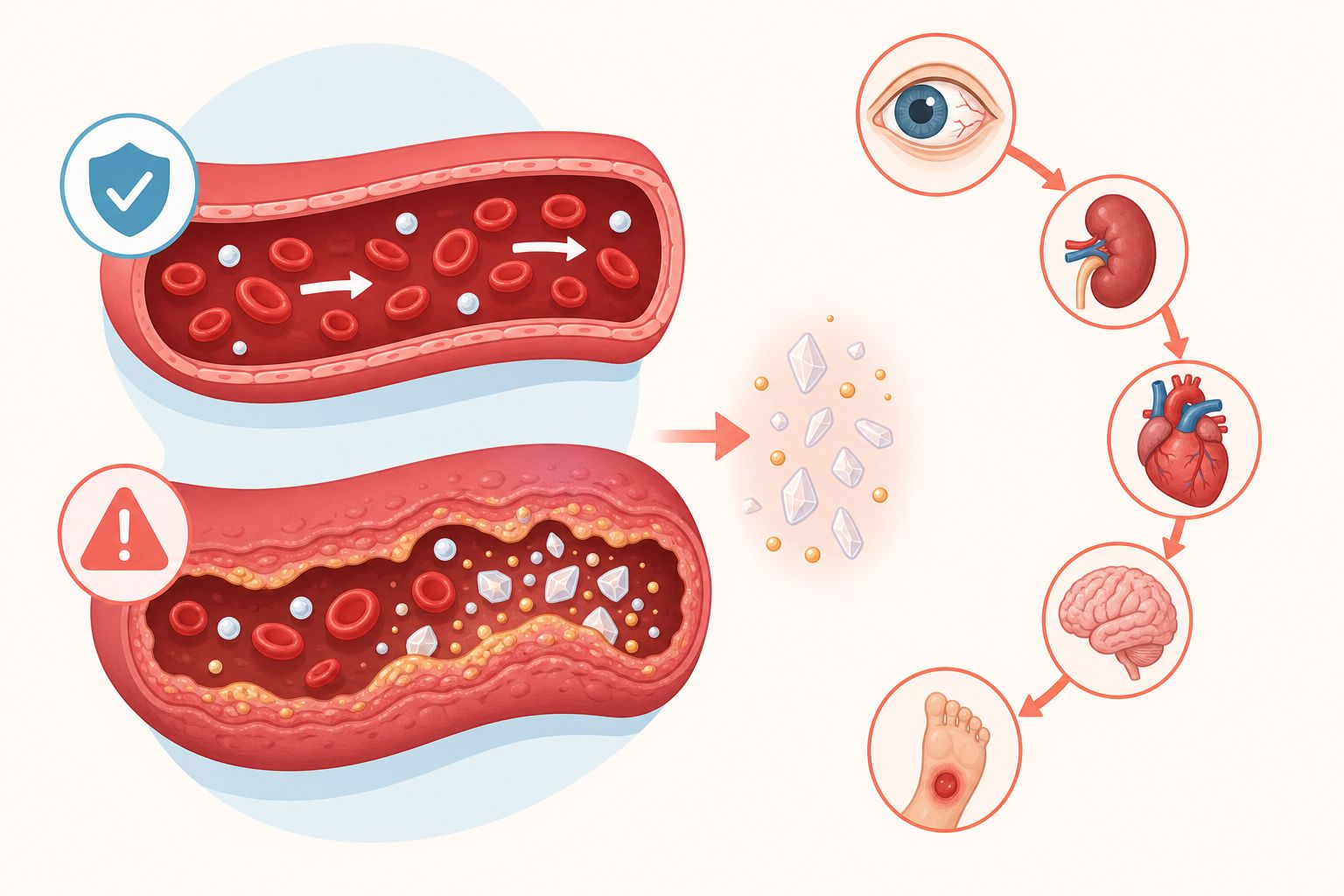
High blood sugar is painless and itchless, but it erodes blood vessels throughout the body like rust. From the eyes to the kidneys, from the heart to nerve endings, understand the chain of destruction triggered by diabetes and why stabilizing blood sugar means protecting the entire body.
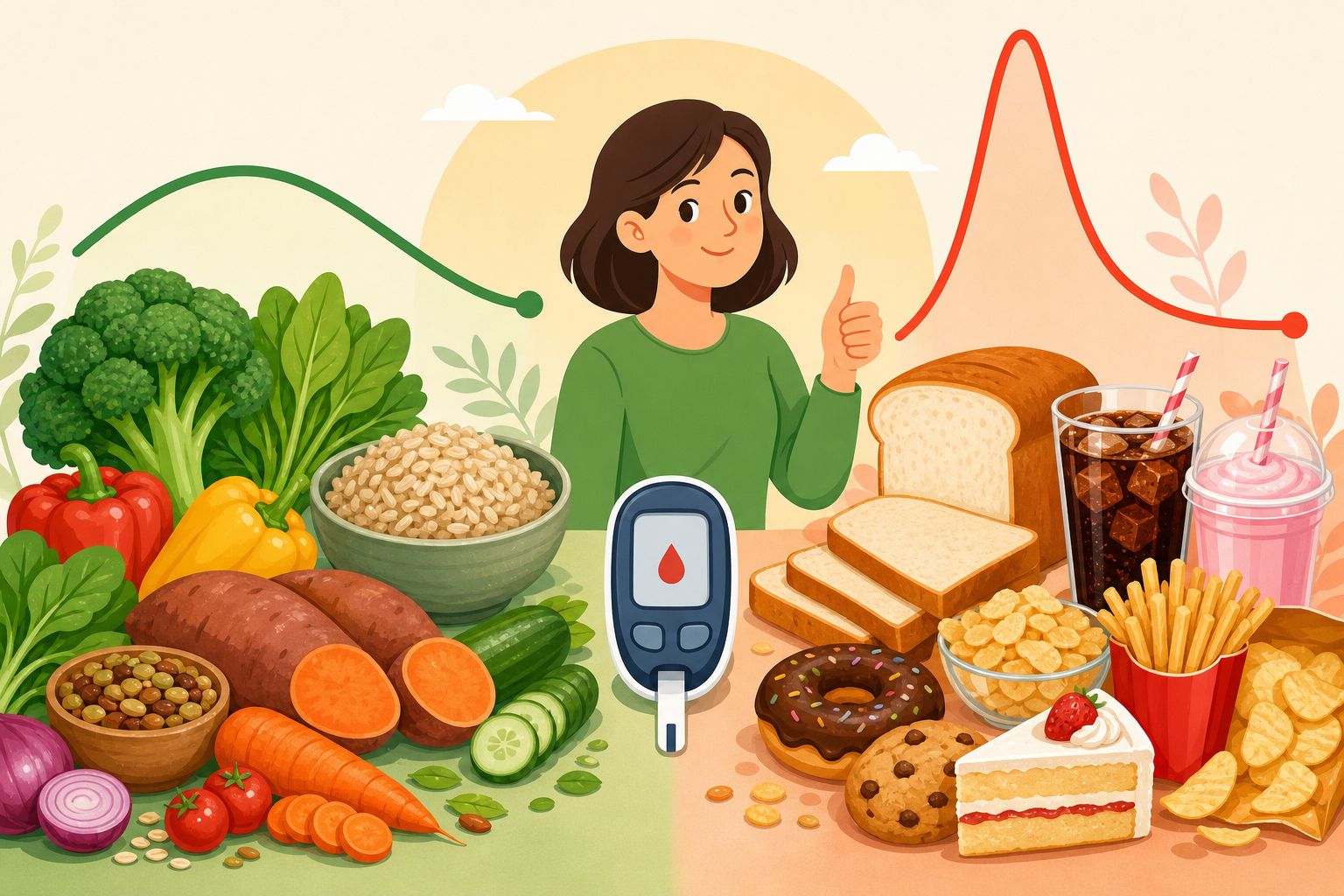
The key to diabetes is not just 'sweetness,' but how food affects your blood sugar fluctuations. Understand the differences in Glycemic Index (GI), how high-GI foods trigger insulin resistance, and why eating too full for a long time can lead to diabetes even with healthy food choices.
Early symptoms of diabetes are often subtle, but the body sends warning signals through the 'three excesses and one loss' of thirst, frequent urination, and weight loss. Learn about typical and atypical high blood sugar symptoms, high-risk group characteristics, and how to detect diabetes early through blood tests.
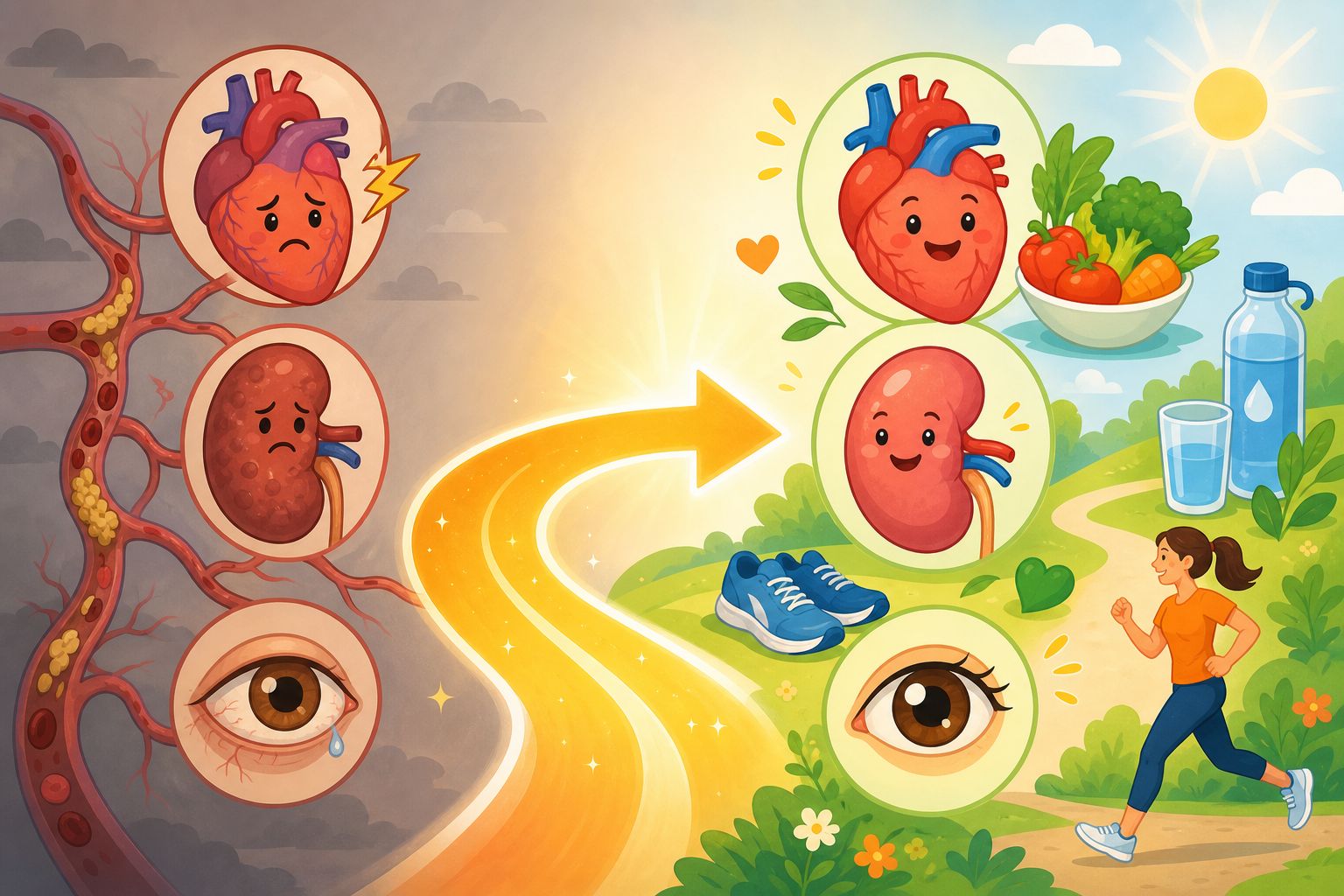
The real threat of diabetes comes from complications. Long-term high blood sugar damages blood vessels throughout the body, leading to serious consequences such as blindness, dialysis, and amputation. Understand the chain reaction of acute and chronic complications, and practical strategies to achieve 'clinical remission' through diet, exercise, and lifestyle changes.
At its core, diabetes is a breakdown of the body's metabolic system, where insulin fails to properly transport glucose into cells. Learn how insulin resistance is triggered by obesity, refined diets, and sedentary lifestyles, and why prediabetes is the golden opportunity to reverse metabolic crises.
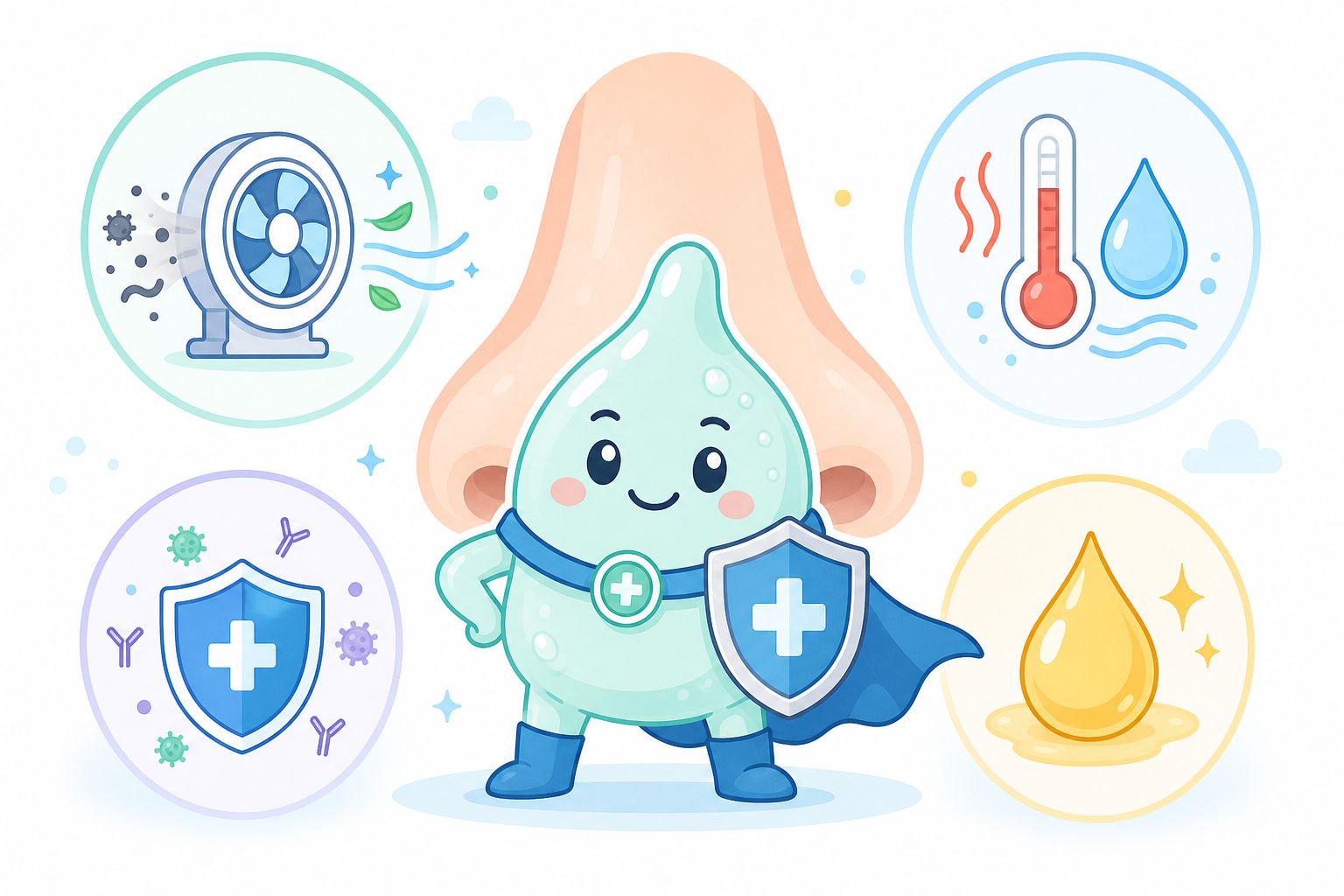
Everyone dislikes a runny nose, but under healthy conditions, the nasal cavity silently secretes up to 1 to 1.5 liters of mucus daily. It acts as the body's built-in premium air purifier, airway warmer/humidifier, biochemical arsenal loaded with lysozyme and antibodies, and lubricating protective oil for the mucous membranes. When mucus goes wild during illness, it's actually the body physically washing away allergens and dispatching immune forces against viruses. Understanding its functions will stop you from finding it annoying.
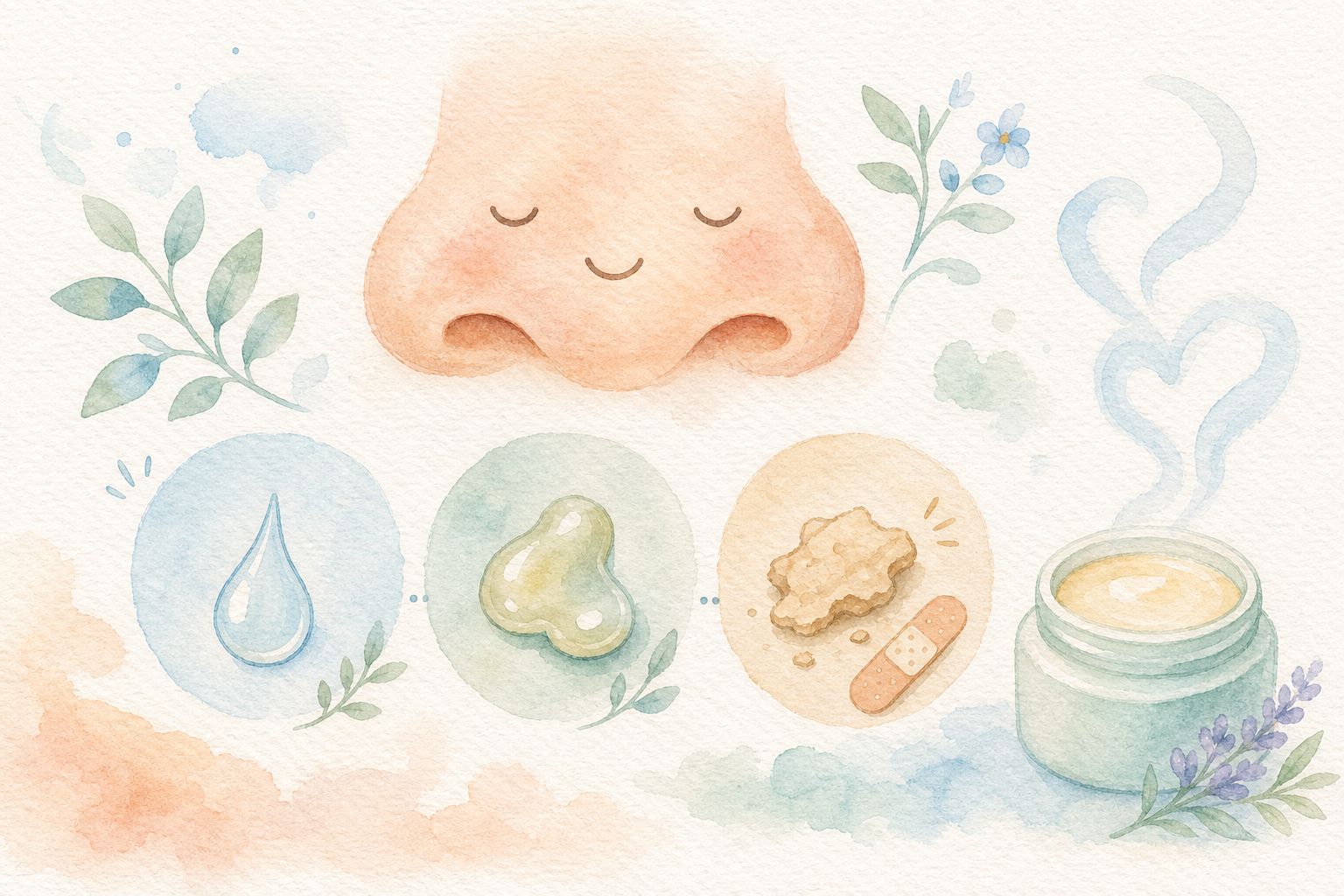
Sometimes runny snot drips like a faucet, and other times it turns into hard scabs, and picking it even causes nosebleeds. Watery snot is physical rinsing, thick mucus is accumulation of mucin and cell debris, sticky snot is dried snot plus dirt, and hard scabs are blood scabs formed by microvascular bleeding in Kiesselbach's plexus. Understand the snot texture, boogers, and nosebleed triangle, and use hot steam to soften and Vaseline to moisturize for painless clearing—don't pick hard.
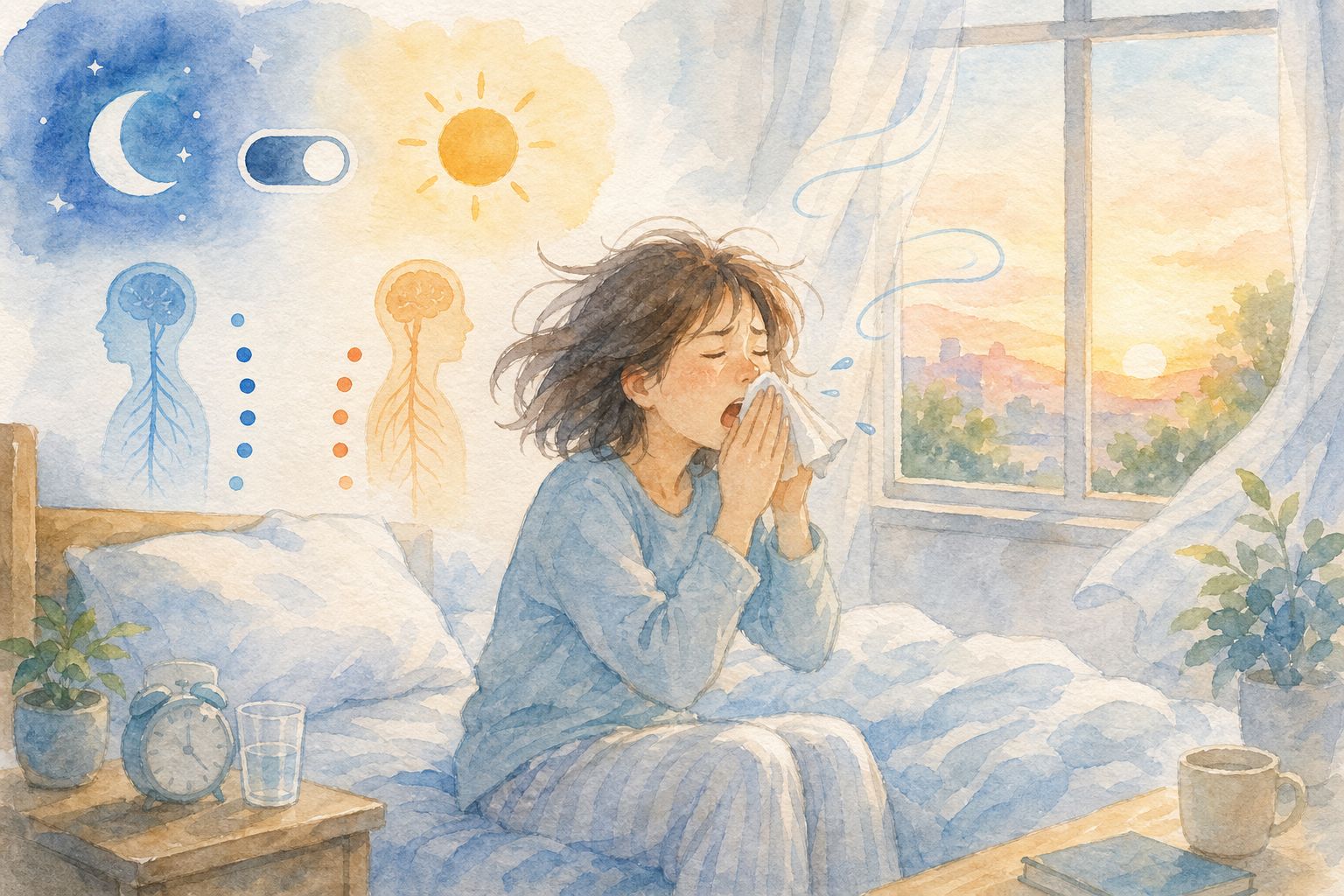
Shedding warm blankets only to be hit by a sneezing fit and an endless runny nose is usually not a cold, but rather the shock of temperature differences, dust mites in bed, and your autonomic nervous system changing shifts. During sleep, the parasympathetic nervous system dilates nasal blood vessels and increases secretions, maintaining your airway while you rest. Master local warming and using a mask to trap heat to stop the flow, and say goodbye to the daily routine of sneezing and nose-blowing in the morning.
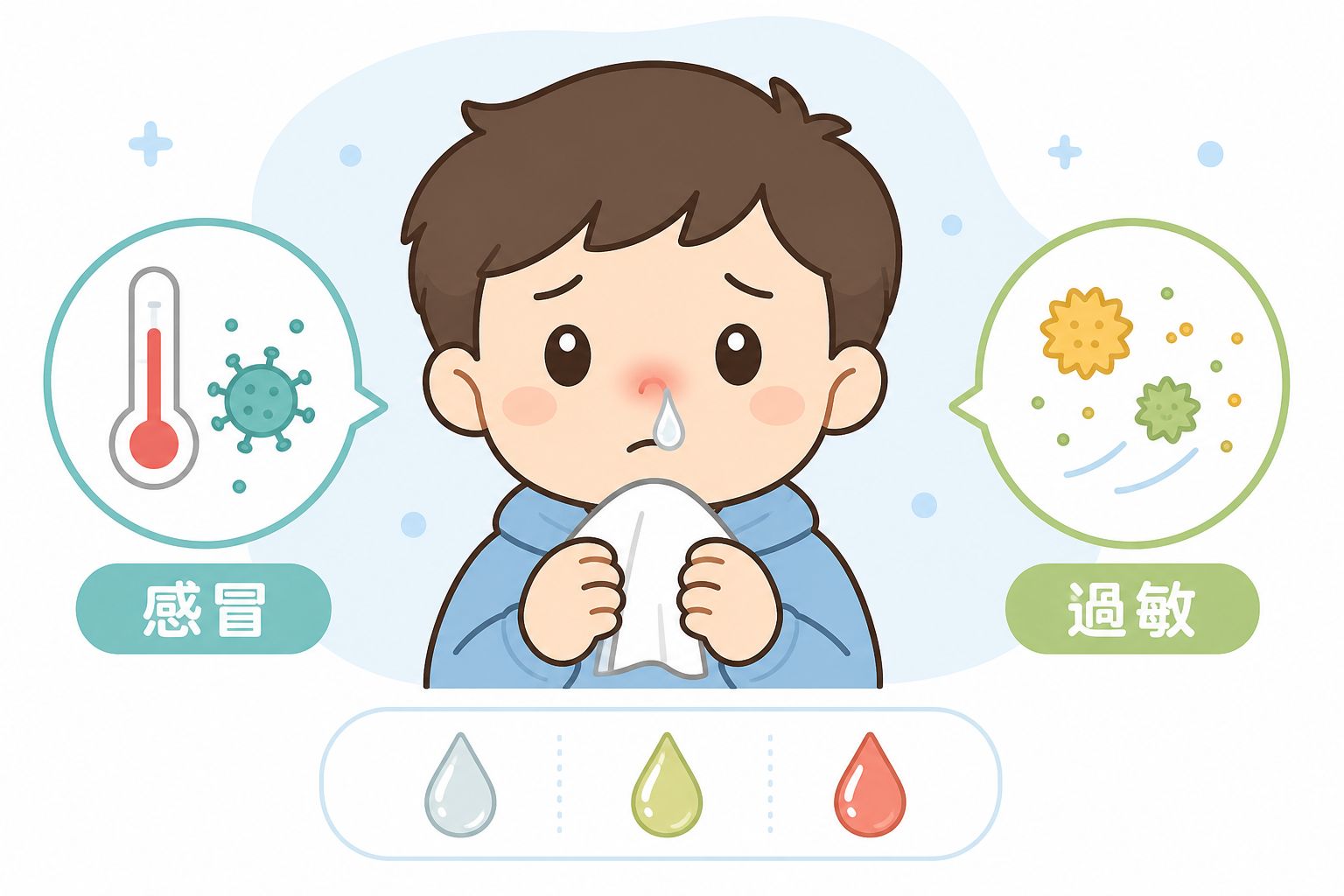
Runny nose and sneezing during season changes—is it a cold or allergies? Learn to tell them apart using itchiness, duration, patterns, and fever indicators, and decode mucus colors. Includes fast-acting relief tips.
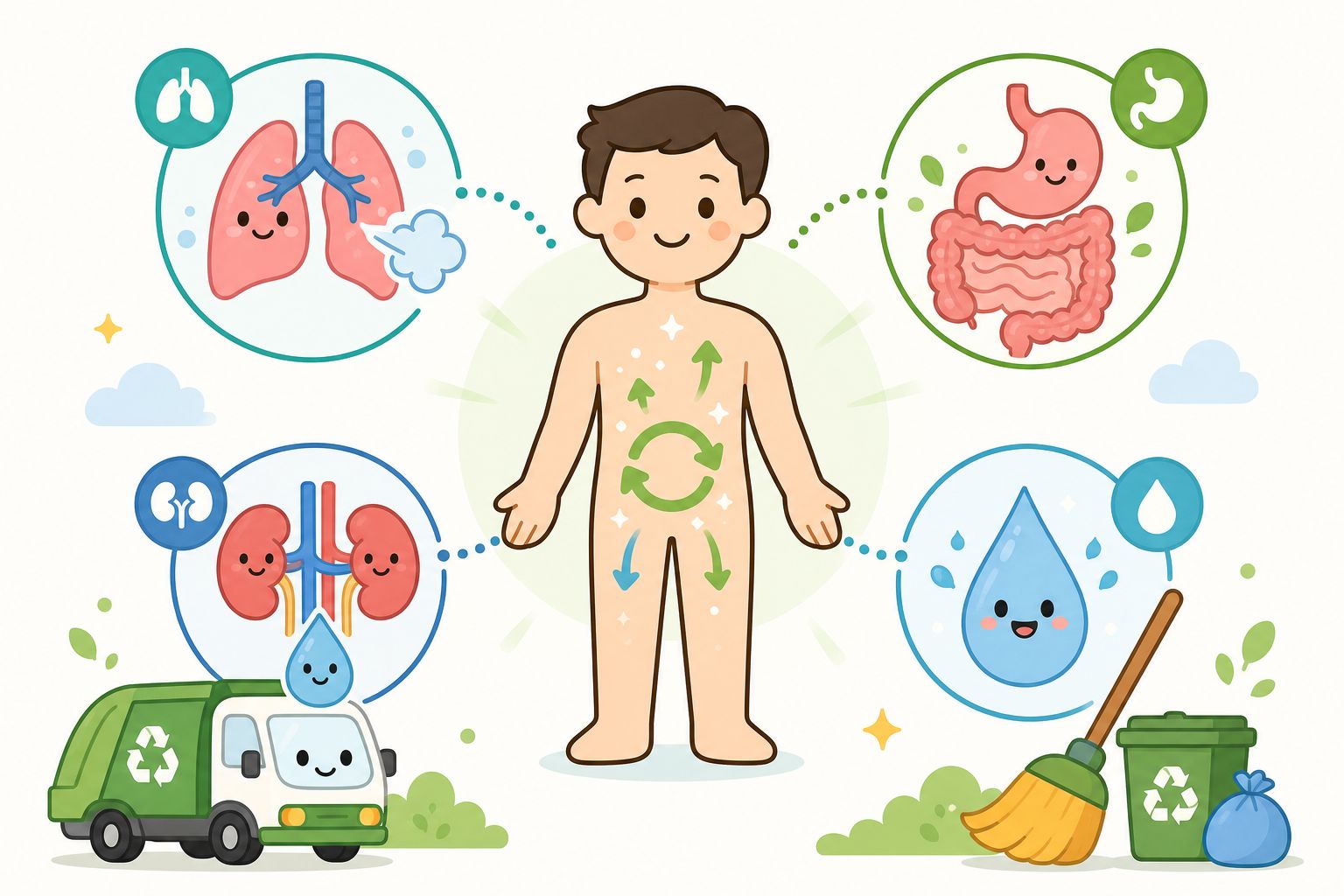
When you have a cold, the immune system fights a major battle against the virus. How are dead white blood cells and viral remnants finally discharged from the body? Actually, the body relies on coughing up phlegm from the respiratory tract, gastrointestinal defecation, lymphatic and urinary filtration, and sweating for heat dissipation to clear viral waste through multiple routes. Sweating is mainly for reducing fever and dissipating heat, not detoxification, while swollen lymph nodes represent a waste traffic jam. Understanding this waste removal system clarifies why drinking more water and resting are crucial during a cold.
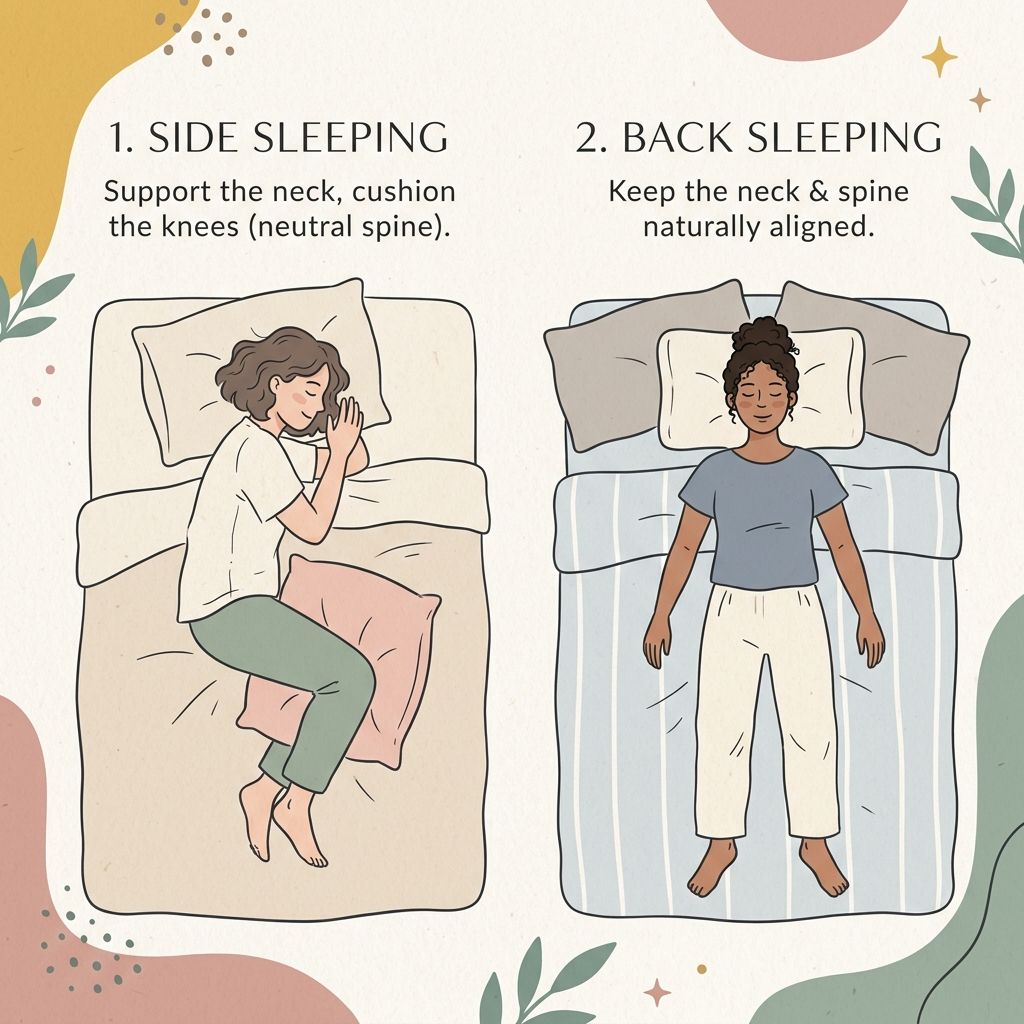
Waking up every morning with puffy eyes, a heavy head, and feeling more tired than before you slept? The problem may lie in your sleep posture and pillow height. Sleeping on your back causes the tongue to fall back due to gravity, blocking the airway and triggering snoring and nocturnal micro-hypoxia, leaving your brain struggling to breathe all night without entering deep sleep. Learn how side sleeping keeps your airway open, combined with a body pillow to stabilize your pelvis, mouth tape, and the correct pillow height, to say goodbye to that heavy morning feeling with simple physical adjustments.
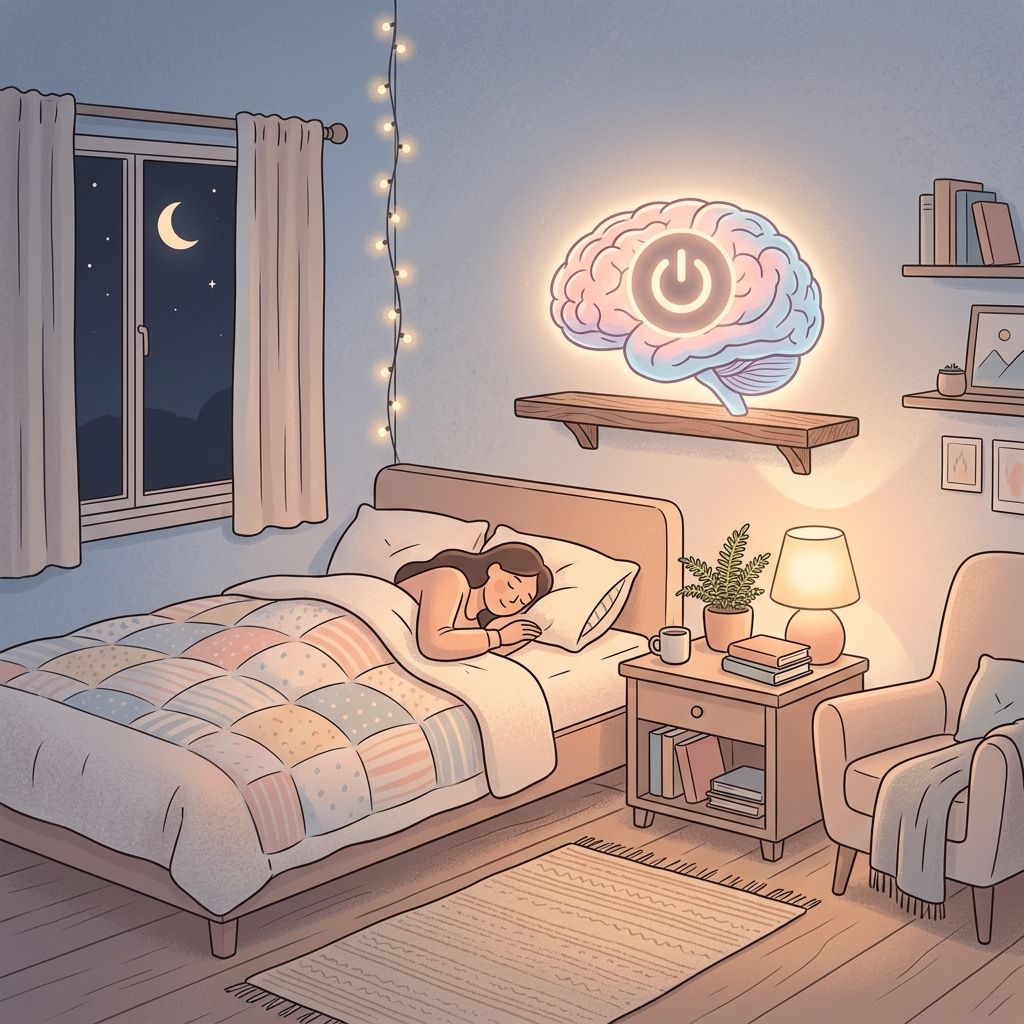
Office workers stare at screens and overuse their brains all day. When they lie in bed after work, their bodies are exhausted, but their brains run in an infinite loop. Understand the mechanisms of blue light suppressing melatonin, sustained sympathetic hyperactivity, and sedentary micro-hypoxia. Switch your brain from fight mode to sleep mode through a 15-minute brain shutdown ritual.
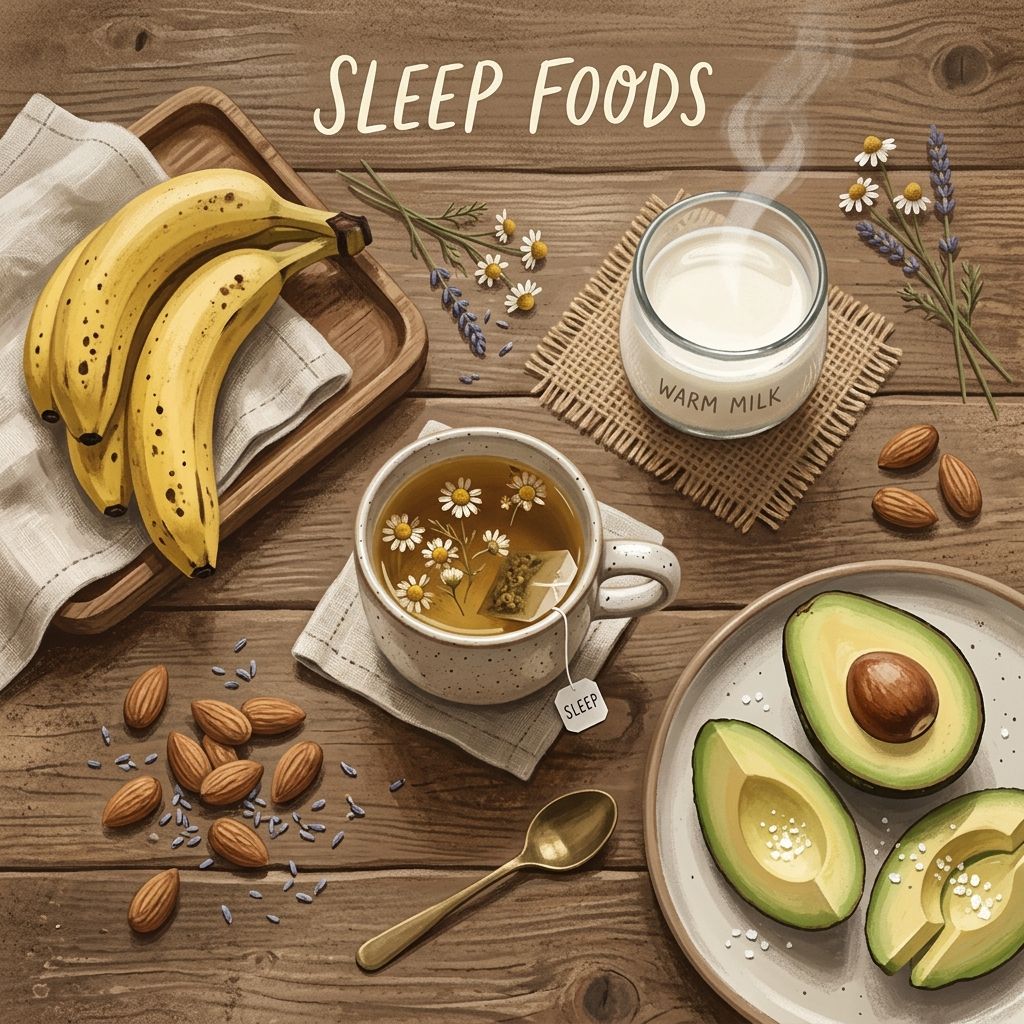
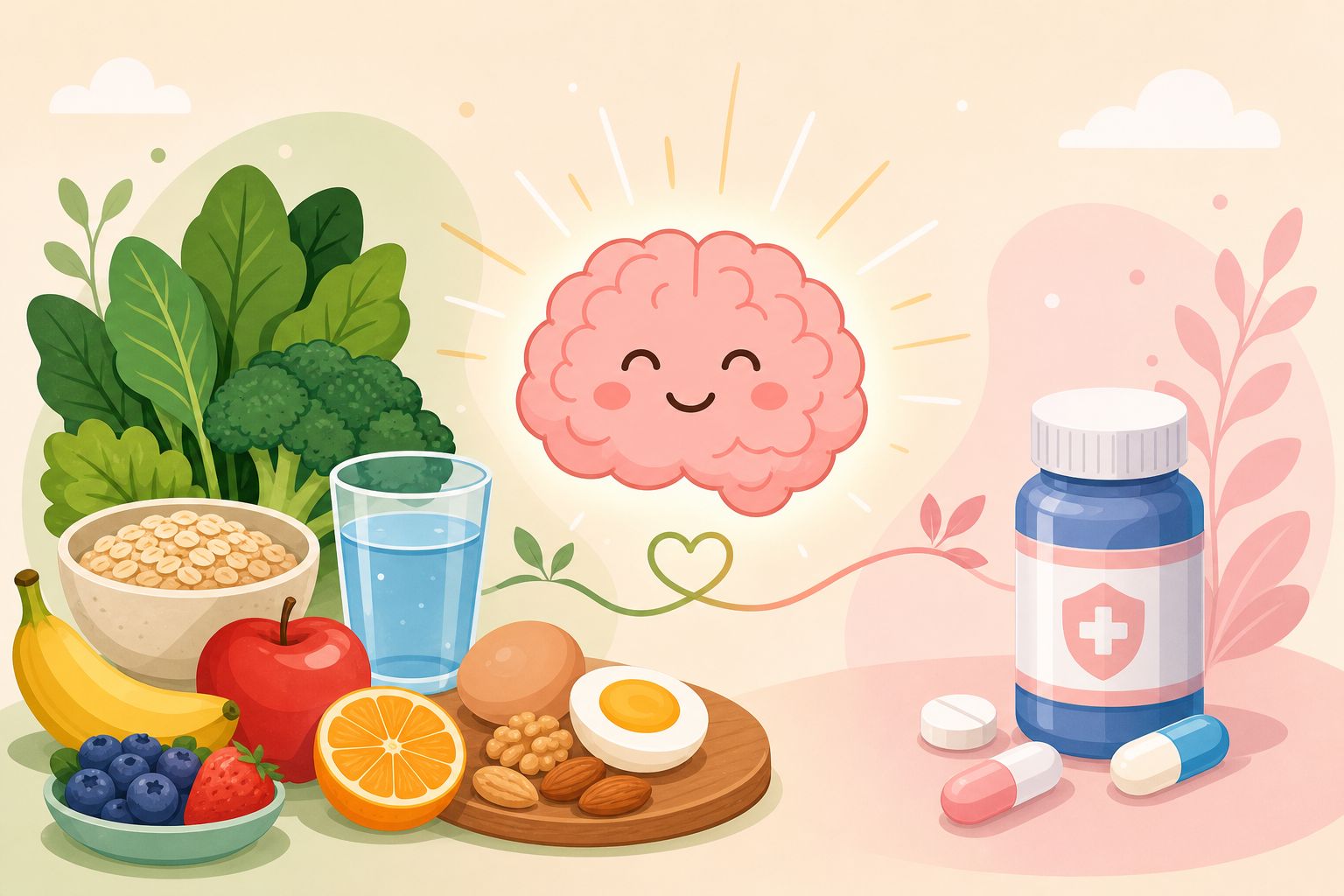
Sleeping well isn't just about going to bed early; what you eat directly decides whether your brain can shut down smoothly. Pre-bed alcohol ruins deep sleep in the second half of the night, caffeine's half-life lasts for hours, and high-sugar late-night snacks keep your sympathetic nerves excited all night. Learn about magnesium, tryptophan, vitamin D3, and other sleep-aiding nutrients to get a good night's sleep through diet and gut health.
Feel like you've slept for a long time but still tired the next day? Before suspecting a body problem, check your bedroom environment first. From light, temperature, air quality to pillow height, take you step-by-step to find the environmental pain points that destroy deep sleep, and use specific improvement methods to create a dedicated sleep area that the brain deems 'safe and ready to rest'.
Exhausted but tossing and turning? Afternoon caffeine, high-sugar late-night snacks, bright bedrooms, and high room temperature all trick the brain into staying awake. Combined with work stress and social jetlag that spike cortisol levels at night, the nervous system forgets to apply the brakes. We break down the hidden killers stealing your sleep, covering diet, environment, and stress management.
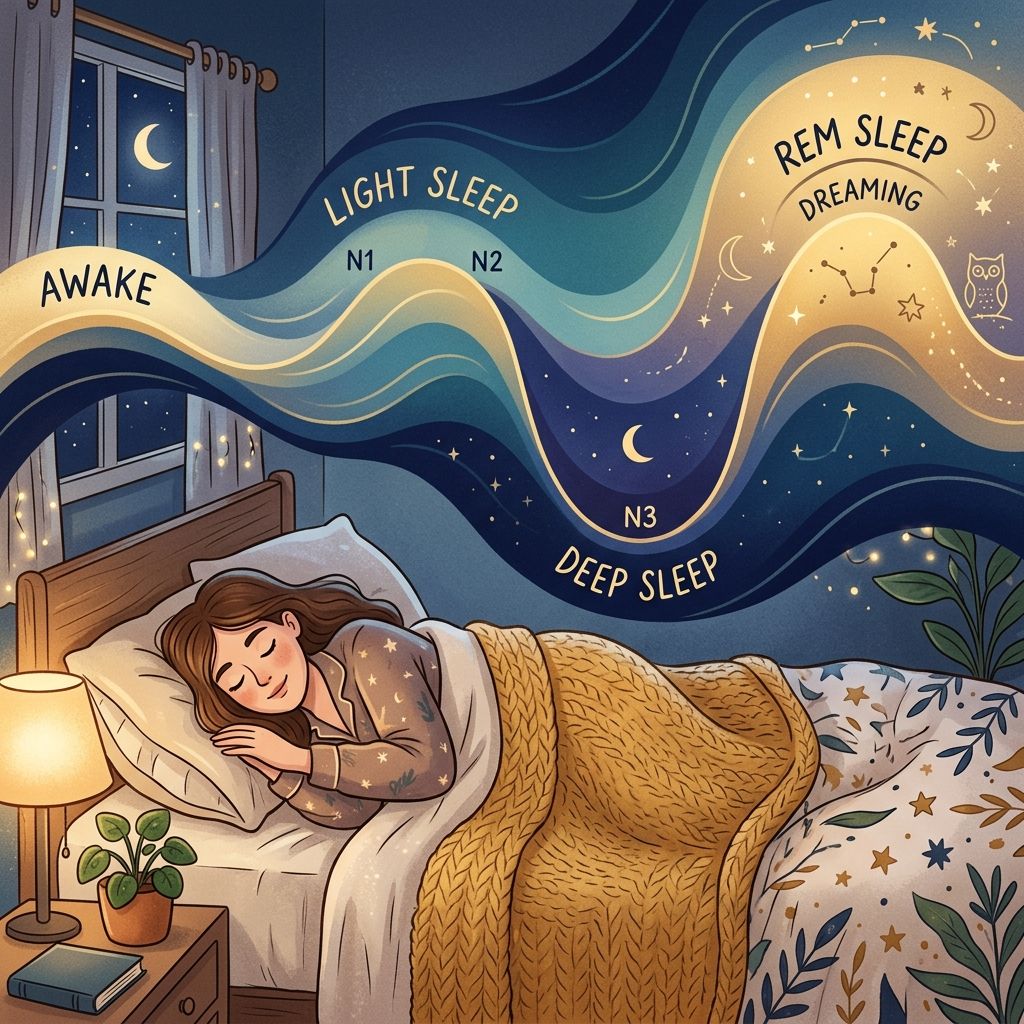
Waking up tired even after 8 hours of sleep? Deep sleep accounts for only 15%-25% of the night, yet it is the golden phase for brain detoxification and physical recovery. Understand how the sleep cycle works, identify culprits like sleep apnea and residual alcohol that steal deep sleep, and learn to effectively increase deep sleep through core cooling and fixed wake-up times.
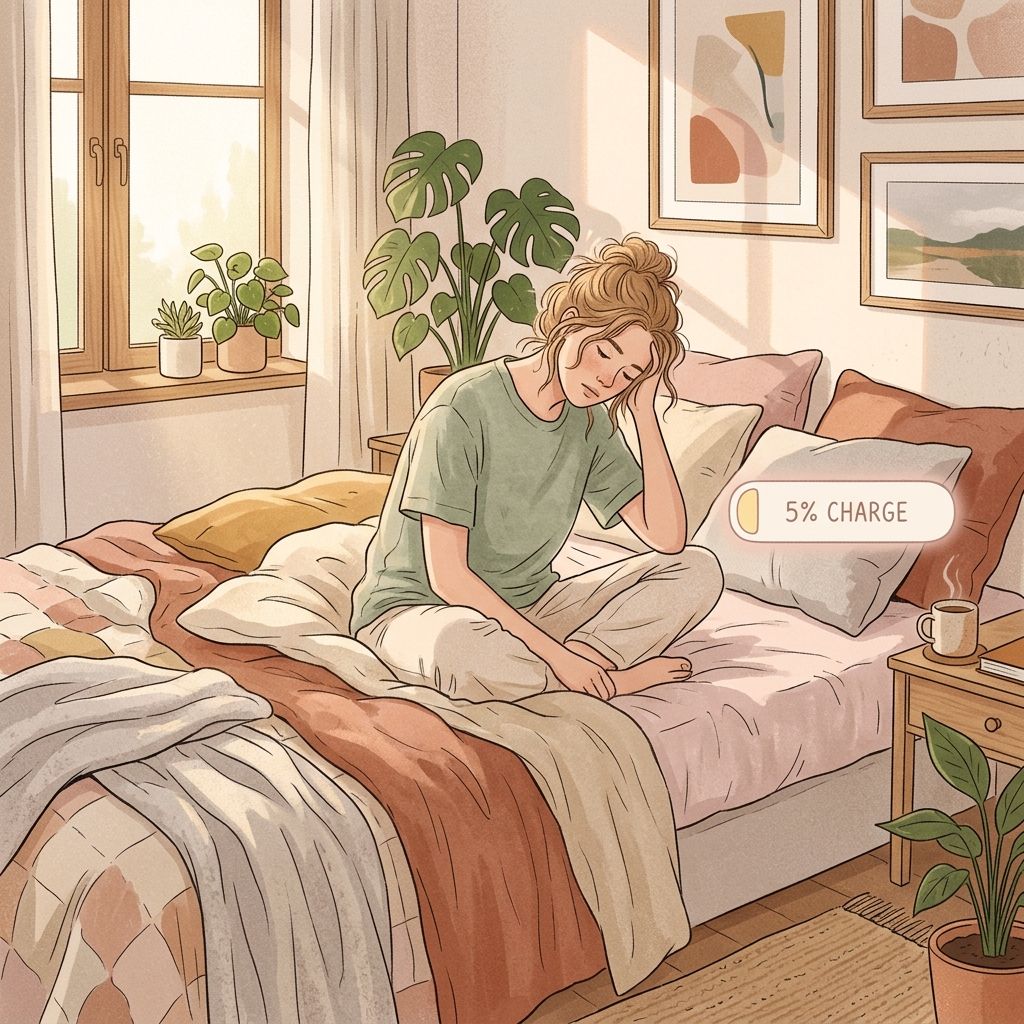
Sleeping a full 8 hours with a regular schedule, yet losing power less than 3 hours after waking up? The issue might not be sleep, but chronic inflammation or disrupted cortisol rhythms. Understand how refined sugars and processed foods trigger inflammatory responses, and how to repair energy leaks with magnesium, vitamin D3, omega-3, and other nutrients.
Your body is exhausted, but when you lie in bed, your mind runs in an infinite loop—work, tomorrow's schedule, and unread messages keep popping up. The sympathetic nervous system is stuck on the gas pedal, cortisol spikes at night, and your brain has welded 'bed' and 'anxiety' together. The more you want to sleep, the more awake you feel. Break this insomnia loop step-by-step using the brain-dump method, the 4-7-8 breathing technique, and the 15-minute out-of-bed rule.
Migraines are closely linked to diet; aged cheese, chocolate, processed meats, and other tyramine-containing foods can trigger headaches. Supplementing magnesium, vitamin B2, and staying hydrated helps stabilize nerves and prevent attacks. Misusing pain relievers can lead to medication overuse headaches. Proper medication combined with dietary adjustments is key to fighting headaches.
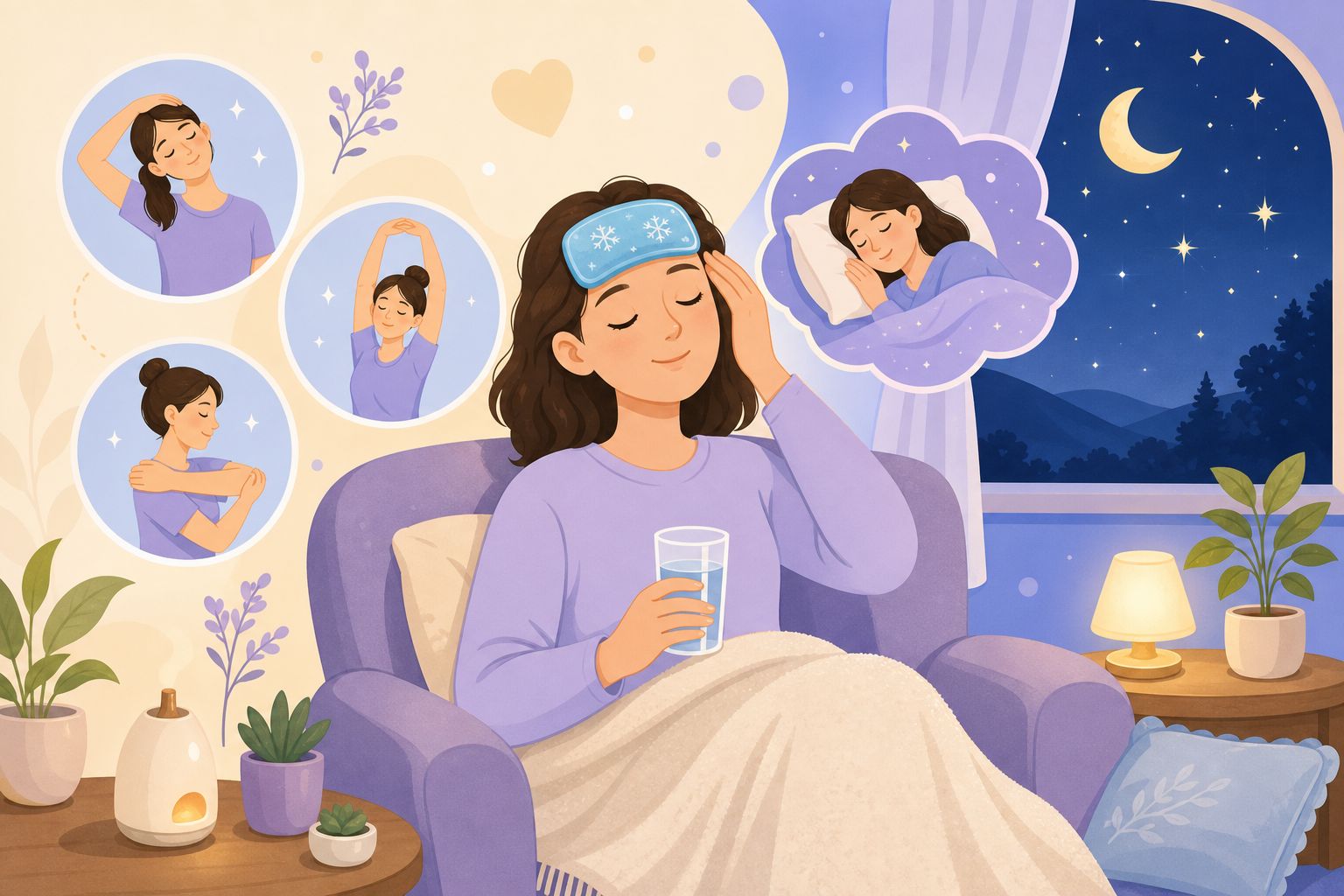
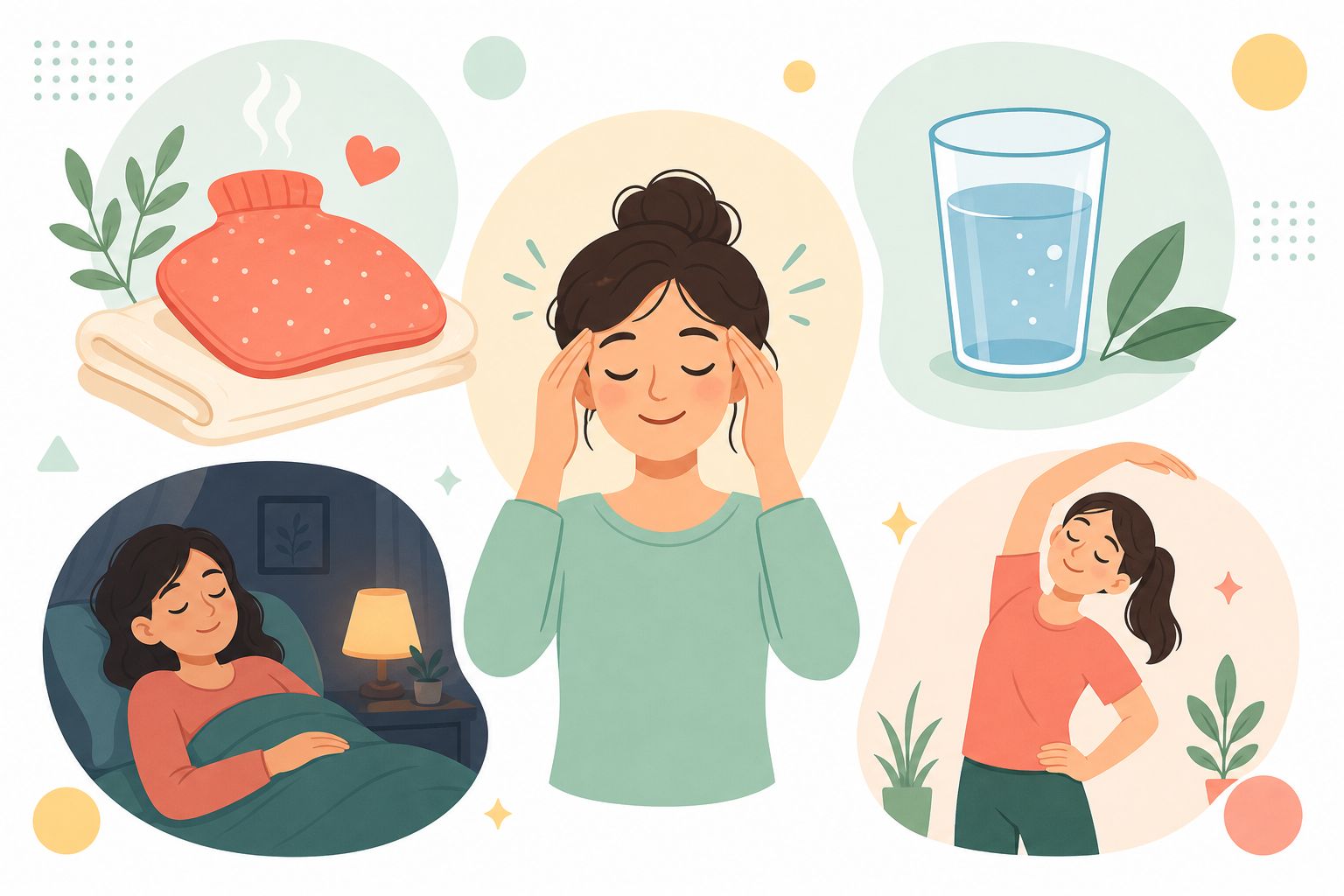
Different types of headaches (tension, migraine, cluster) require distinct relief strategies, from hot/cold compresses and avoiding triggers to seeking medical care. Combine structured routines and a headache diary to identify personal triggers and effectively prevent recurring headaches.
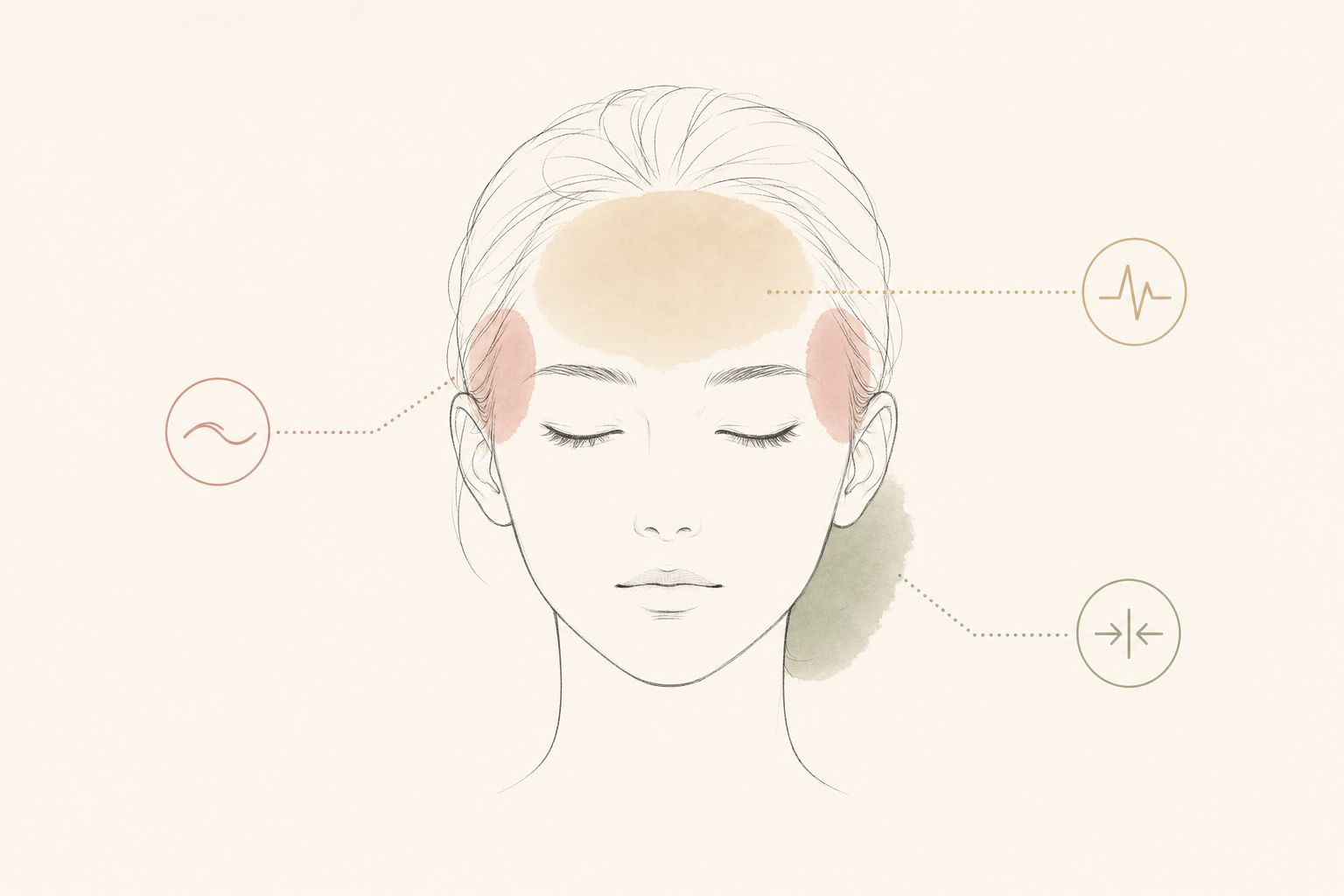
Throbbing temples, stiff back of the head, or the whole head feeling squeezed? Different headache locations correspond to tension headache, migraine, cluster headache, and other types. Combined with pain sensations and accompanying symptoms, this helps you preliminarily self-evaluate the cause of your headache.
What to do when a sudden headache strikes? Here is a summary of practical relief methods for tension headaches and migraines, the correct usage of pain relievers, and warning signs like thunderclap headaches that require immediate medical attention to help you know when to self-treat and when to seek help.
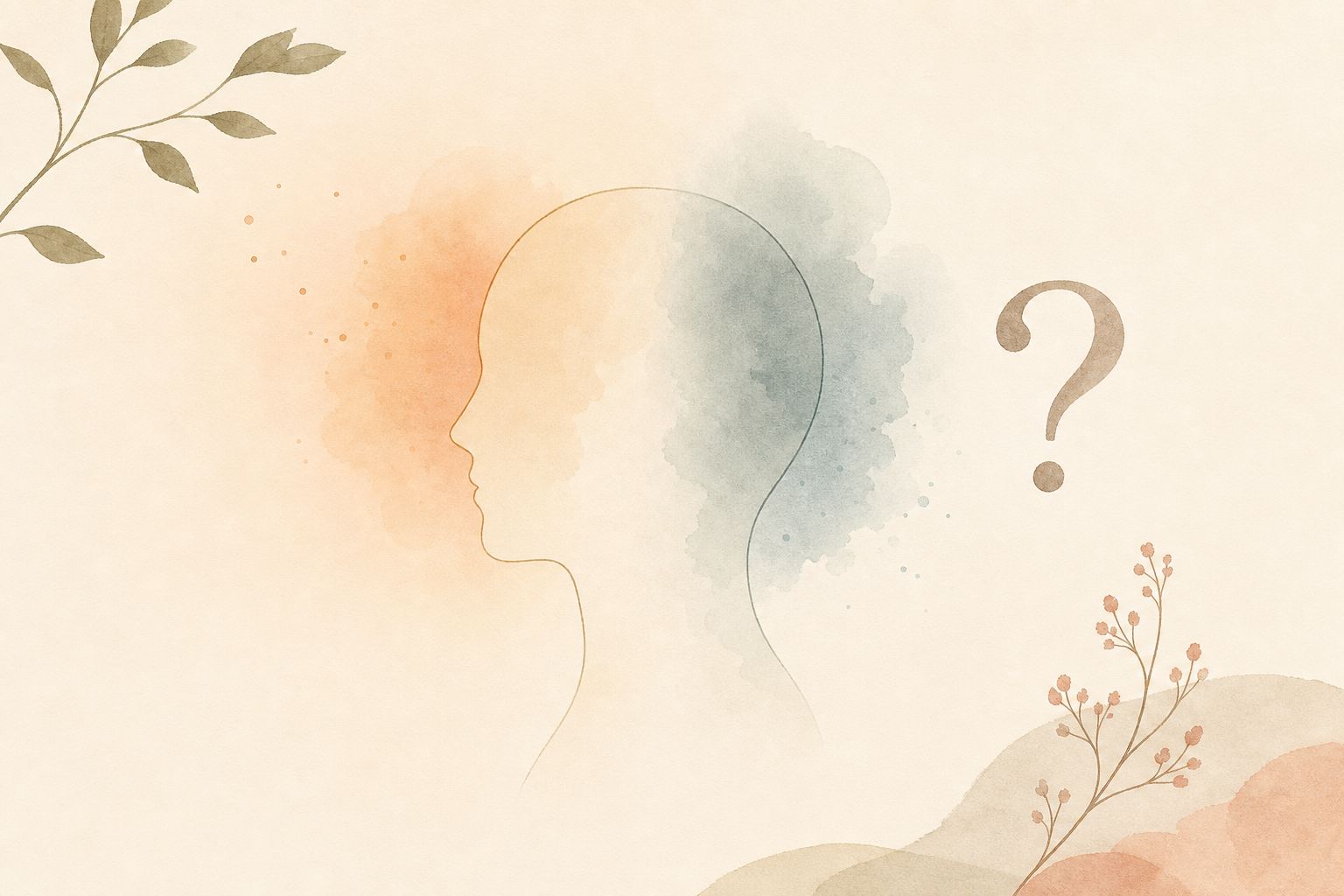
Migraine does not equal headache on one side; the probability of unilateral pain is only about 60%. Understand the differences between migraine and tension headaches, the characteristics like throbbing pain, and why identifying the headache type is crucial for treatment.
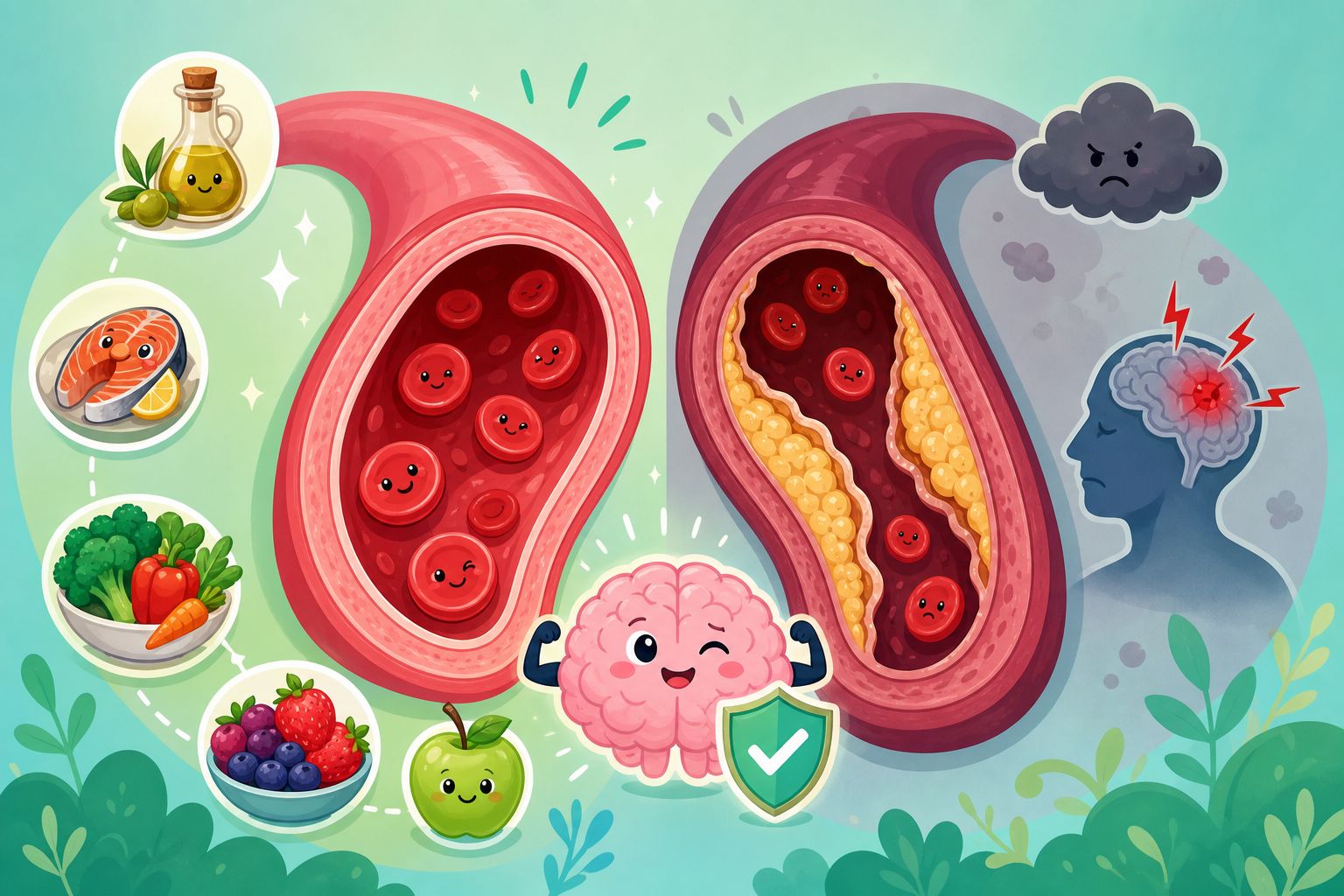
Sodium in salt keeps water in blood vessels, causing blood pressure to rise. Chronic high pressure leads to arterial hardening and plaque buildup, ultimately triggering ischemic or hemorrhagic stroke. Besides excess salt, smoking directly destroys vessel lining, while sleep deprivation and stress keep vessels tense. Switch to olive oil, eat deep-sea fish for Omega-3, and exercise regularly to release nitric oxide to protect blood vessels from stroke.
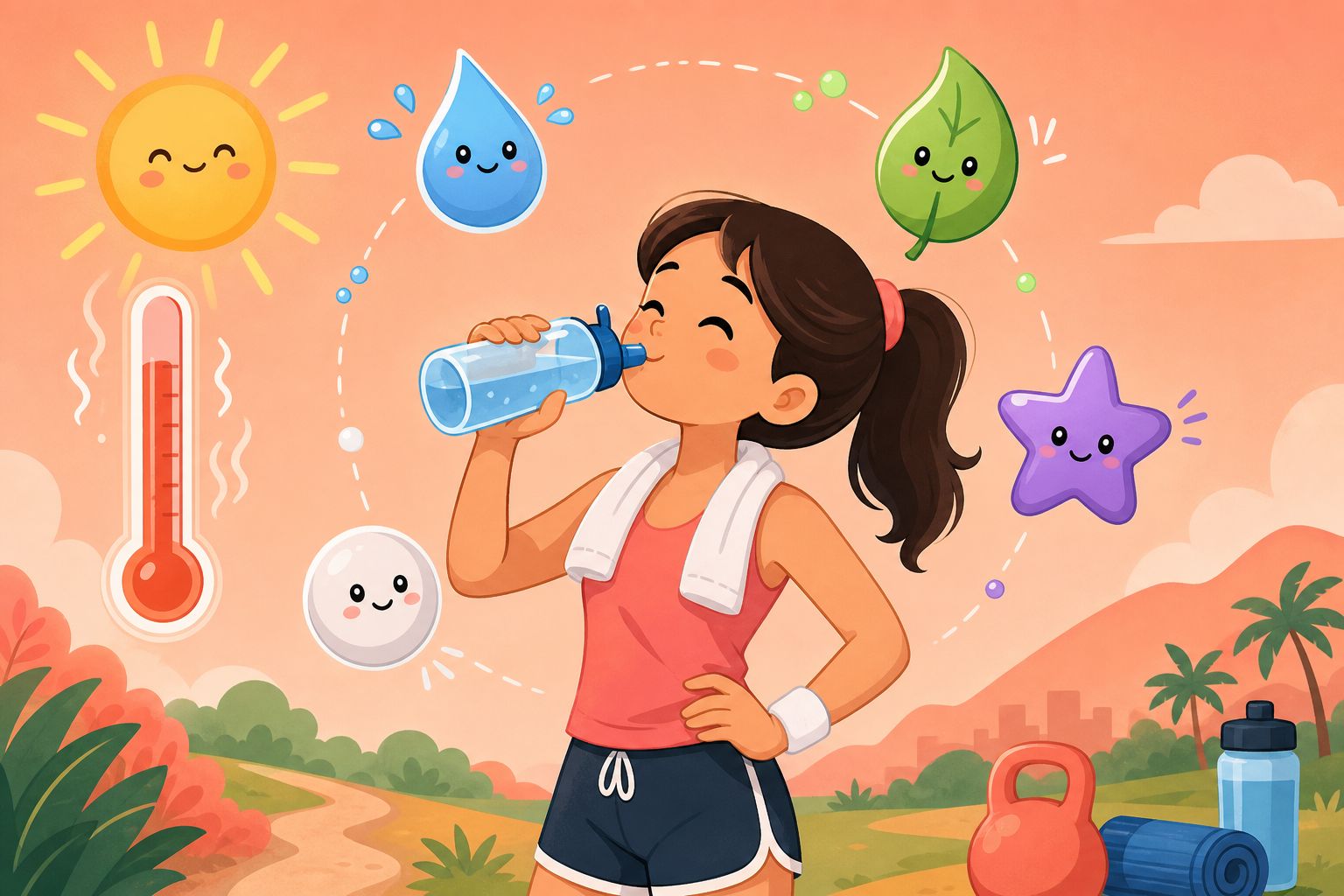
Blood vessels favor a low-sodium, high-potassium environment because sodium adds pressure to them while potassium helps them relax. However, sodium is not the lower the better. Drinking only pure water after heavy sweating dilutes blood sodium concentration, triggering hyponatremia (water intoxication), leading to headaches, muscle cramps, or even coma. Besides sodium and potassium, magnesium and calcium are also key electrolytes for maintaining blood vessel and heart functions. Mastering the principles of controlling sodium daily and replenishing sodium after sweating is the smartest way of protection.
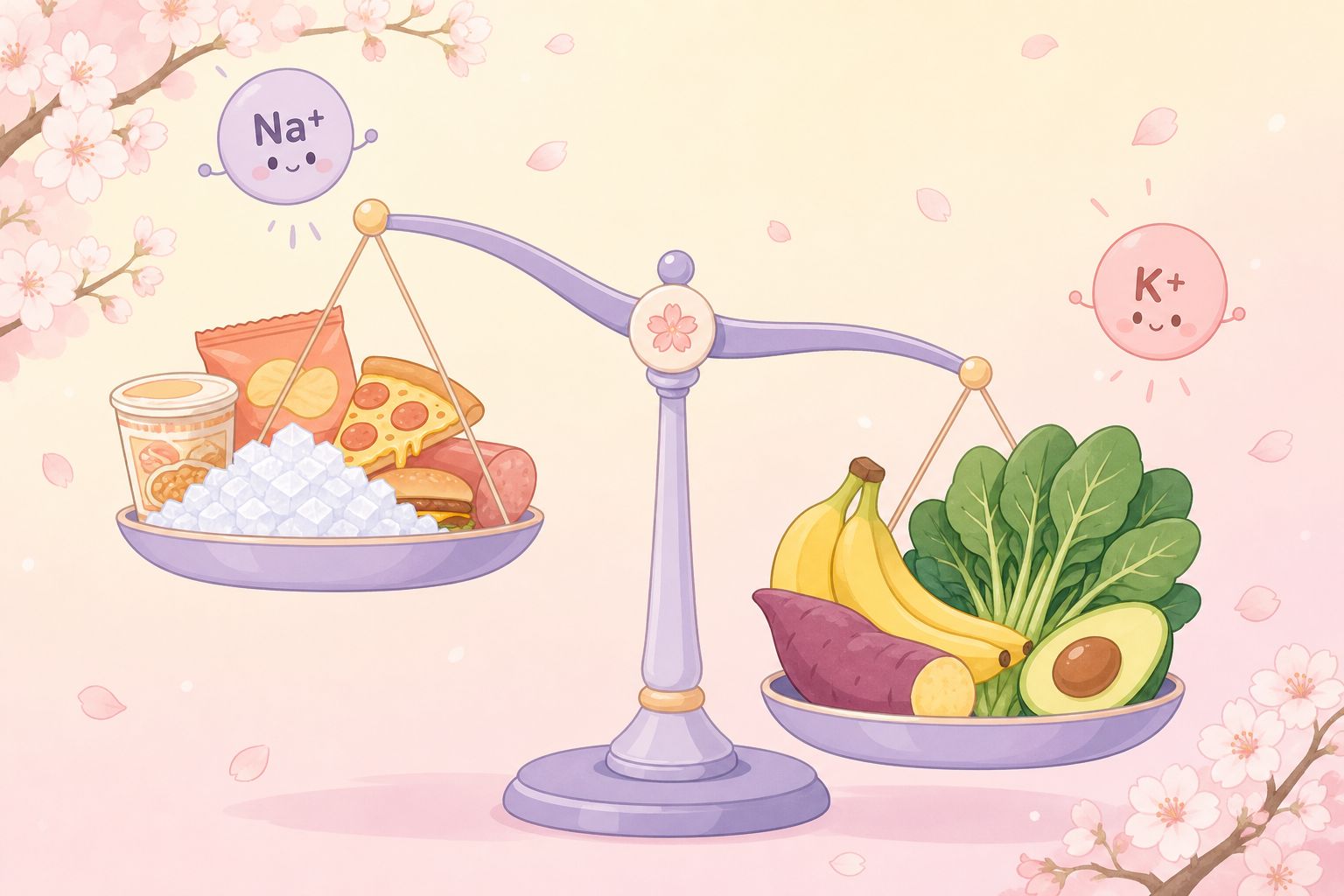
Sodium retains water to maintain blood pressure, while potassium excretes sodium and relaxes blood vessels. The two need to maintain a balance like a seesaw in the body. Modern eating-out populations are prone to excess sodium and insufficient potassium, leading to water retention and hypertension. By dipping less sauce and eating more high-potassium fruits and vegetables such as water spinach and bananas, sodium and potassium can be brought back to balance. However, kidney patients must strictly limit high-potassium food intake due to decreased potassium excretion capacity.
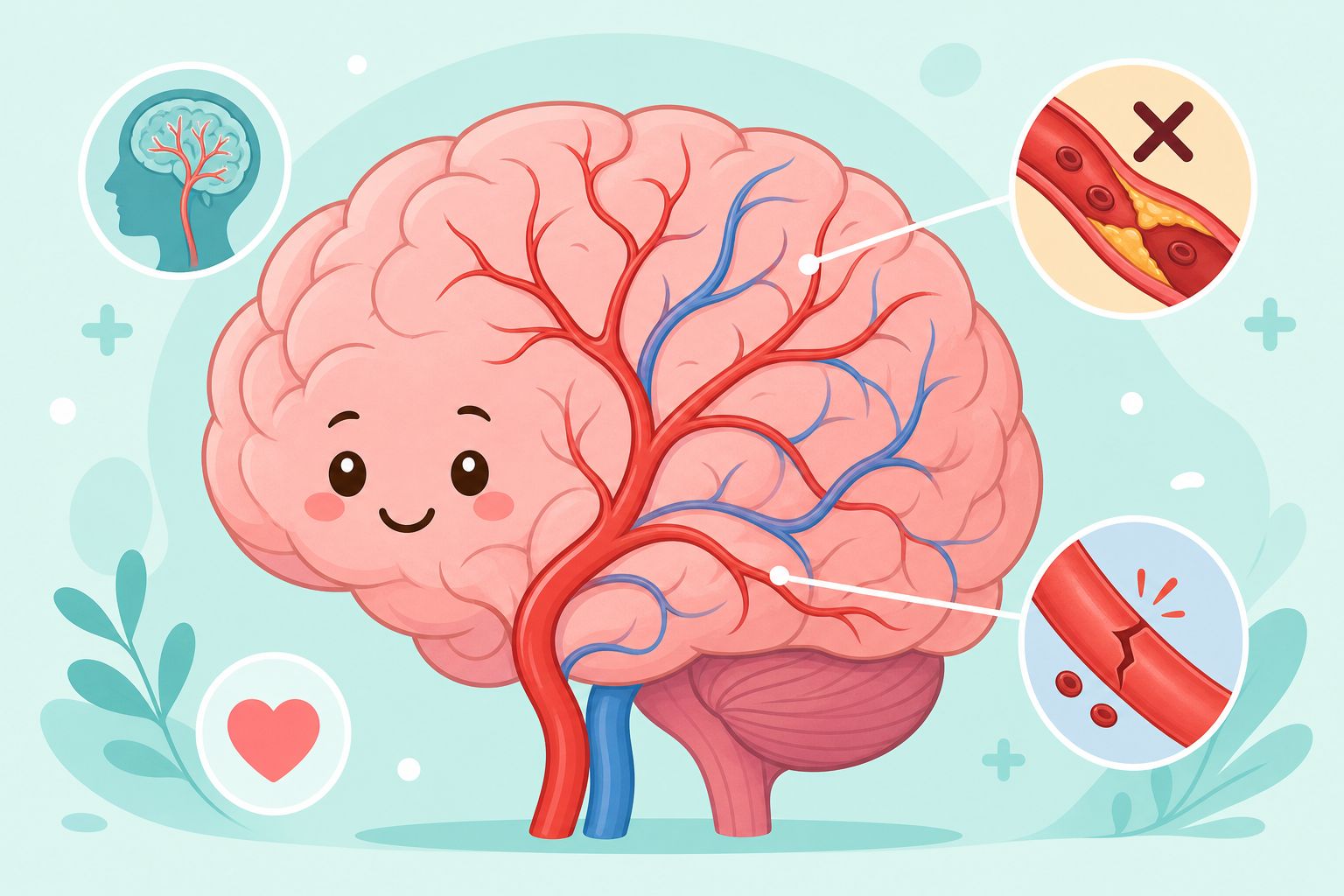
Arteriosclerosis is the root cause of stroke. High blood pressure is like a high-pressure water pipe washing the inner wall of blood vessels over the long term, causing grease accumulation and loss of elasticity. Even if blood vessels are 50% blocked, there may be no symptoms, making them true silent killers. By adopting a Mediterranean diet, replacing bad oils, exercising regularly to release nitric oxide, and paying attention to winter temperature differences, you can effectively maintain blood vessel elasticity and prevent strokes.
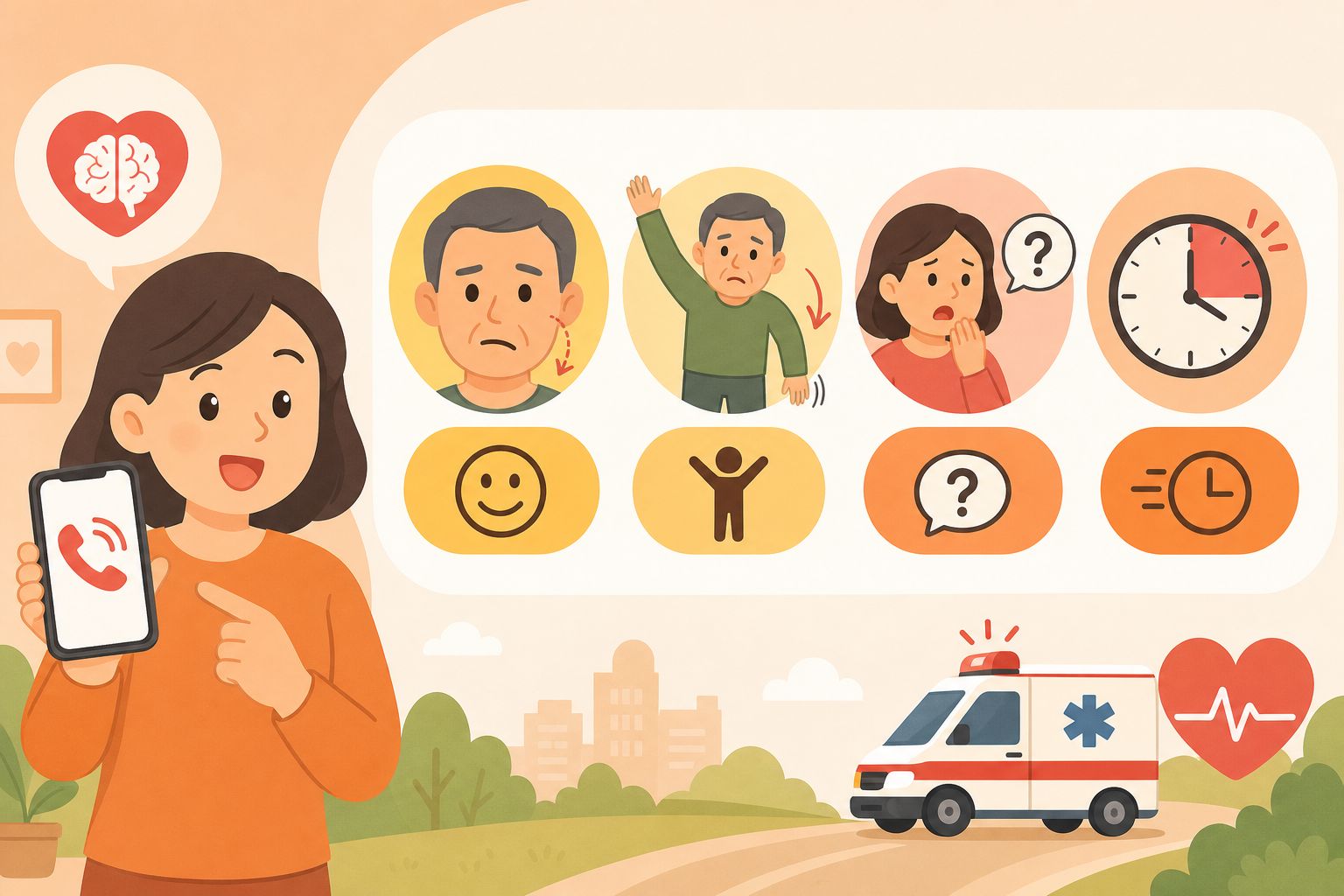
During a stroke, every minute delayed costs about 1.9 million brain cells. Remember the FAST acronym (Face drooping, Arm weakness, Speech difficulty, Time to call) for quick recognition. Bloodletting, feeding water, or giving medication are fatal mistakes; the correct action is to place the patient on their side and call 119 immediately. Precisely recording the onset time helps doctors administer thrombolytic therapy within the golden 3-hour window to save the brain.
A stroke is a medical emergency caused by a sudden blockage or rupture of blood vessels in the brain, leading to oxygen deprivation and death of brain cells. Strokes are classified into ischemic and hemorrhagic types. When a stroke occurs, remember the FAST acronym and rush to the hospital within the golden 3-hour window. High blood pressure, the 'three highs', smoking, and obesity are major risk factors. Up to 90% of strokes can be effectively prevented through a Mediterranean diet, regular exercise, and smoking cessation.